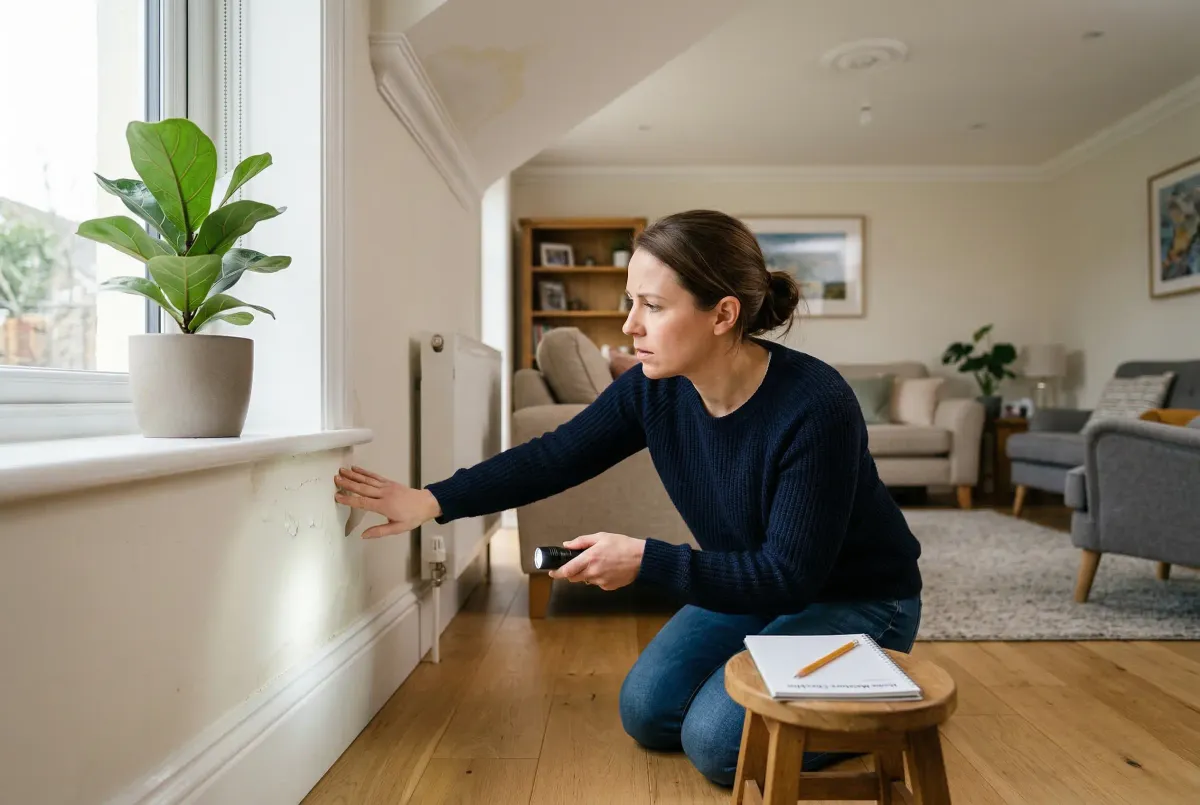
Most water damage does not begin with a dramatic ceiling collapse. It starts quietly. A faint musty smell in the closet. Paint that looks a little swollen near a window. A basement corner that always feels damp after rain.
That is what makes hidden water damage so expensive. By the time the leak feels obvious, the drywall, trim, insulation, or subfloor may already be in rough shape. EPA guidance on mold and moisture says the same thing in plainer terms: once materials stay wet, the problem tends to move fast.
This article is about the early signs that something is wrong before you end up paying for mold cleanup, cabinet replacement, or a repair bill that gets much bigger than the original leak.
How We Chose These Warning Signs
I kept this list centered on issues that show up in real homes before major damage is visible:
- Signs tied to hidden moisture, leaks, or seepage
- Problems cited in official guidance from EPA, FEMA, DOE, and CPSC
- Clues homeowners can notice without cutting open walls
Some signs point to a small repair. Some mean it is time to call a plumber, roofer, or remediation pro. The important part is not brushing them off.
11 Warning Signs of Hidden Water Damage
1. A musty smell that never quite goes away
This is one of the oldest clues in the book, and it is still one of the most useful. If a room, closet, cabinet, or basement corner smells musty even after cleaning, there is a good chance moisture is lingering where you cannot see it.
EPA says mold prevention comes down to moisture control and notes that wet areas should be dried within 24 to 48 hours. When that does not happen, the smell often arrives before the visible staining does. A musty odor is not proof of major damage, but it is a good reason to start looking behind the obvious surfaces.
2. Peeling paint, bubbling drywall, or blistering trim
Paint does not usually buckle for fun. When interior paint starts lifting, drywall tape begins separating, or trim swells near joints, water may be getting behind the surface.
EPA’s Mold House Tour points out that paint can buckle and peel when water from a roof leak seeps into a wall. This is one of those signs people put off because repainting feels easier than investigating. It rarely is. If the surface is wet underneath, painting over it just delays the real repair.
3. Water stains on ceilings, even if they look dry now
Brownish or yellow stains on a ceiling are the kind of warning sign many homeowners learn to ignore because they are not actively dripping. That is a mistake.
EPA specifically warns not to ignore wet spots or water stains because the problem can get worse. A stain may mean an active leak, an intermittent roof issue, a plumbing problem from above, or an HVAC condensate issue. Dry-looking stains still deserve follow-up, because the source may only show up during certain weather or usage conditions.
4. Condensation that keeps showing up on windows
A little window condensation during certain weather is not unusual. Constant condensation, especially in several rooms, can point to high indoor humidity and a broader moisture problem.
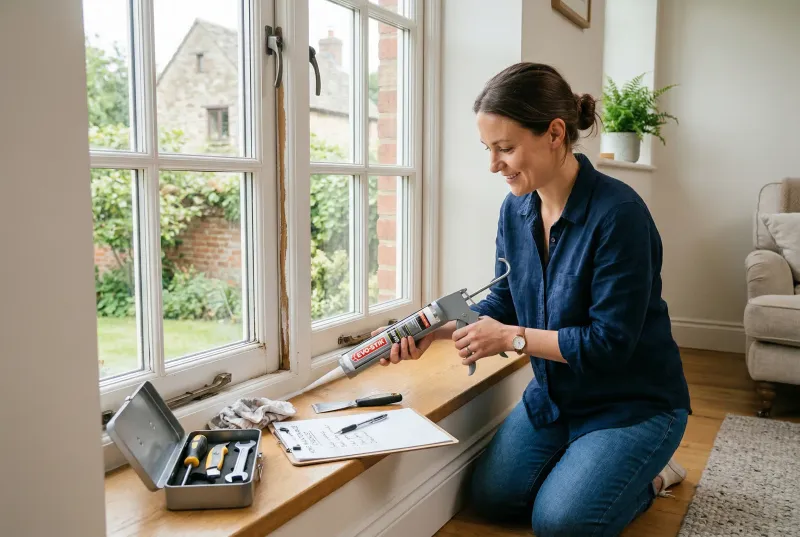
EPA notes that condensation on windows can be a sign of excess indoor humidity and should be investigated. High humidity on its own can feed mold growth, but it can also hint at poor ventilation, air leaks, or moisture entering the house from somewhere else. If you keep wiping windows and the problem keeps returning, treat it like a clue, not a cosmetic annoyance.
5. Soft flooring or a spongy spot underfoot
Floors often tell the truth before walls do. If tile feels loose, vinyl lifts at the edges, or the floor near a tub, toilet, dishwasher, or sink feels soft, there may be long-term moisture underneath.
That usually means the leak is not new. Water has likely been getting past the finished surface for a while and weakening the materials below. The sooner you check it, the better your chances of fixing the leak before the subfloor joins the repair list.
6. Cabinet bottoms that are warped, stained, or swollen
Look under kitchen and bathroom sinks, not just at the supply lines. Cabinet bottoms often show damage from slow leaks long before the rest of the room does.
EPA’s moisture guidance notes that leaks around tubs, sinks, and pipes can create places for biological pollutants to grow. A slow drip from a trap or shutoff valve may not look dramatic, but it can quietly ruin particle board, stain wood, and keep the area damp enough to support mold growth. If the cabinet floor feels soft or warped, do not assume it is old damage until you verify the plumbing is dry.
7. A basement wall that feels damp after rain
Basements are where hidden water damage gets the longest head start. If a wall feels cool and damp, or you notice darkened masonry, peeling paint, or a chalky white residue after storms, water may be seeping through the foundation.
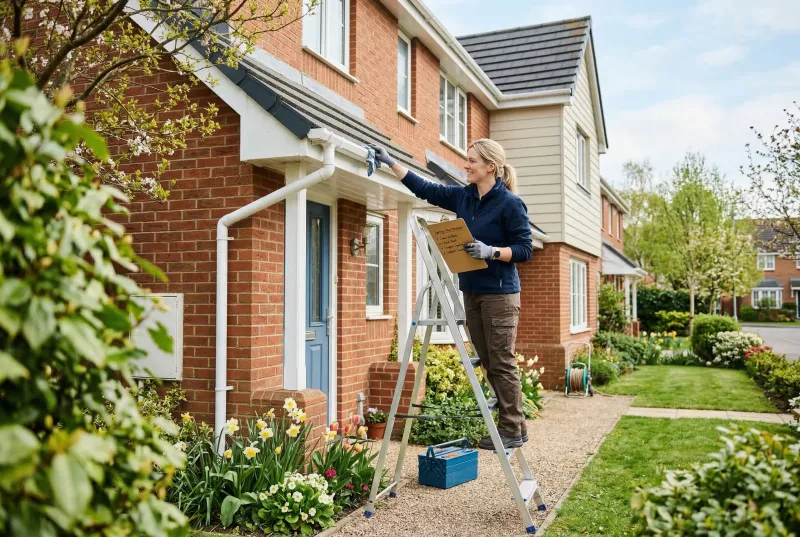
EPA says basement moisture can result from missing gutters, poor grading, or water flow toward the house. FEMA’s basement flooding guidance adds that water commonly enters through drainage systems, cracks, and overland flow. Even if the basement never fully floods, recurring dampness is still a problem worth fixing.
8. Stains, rust, or corrosion around the water heater and HVAC area
Utility spaces tend to get ignored until something fails. That makes them perfect places for small moisture problems to hide.
EPA WaterSense recommends visually inspecting water heaters for leaks, aged gaskets, loose connections, and corrosion. The Department of Energy and ENERGY STAR both highlight condensate drains and HVAC maintenance because drainage issues can cause interior water damage. If you see rust streaks, corrosion, mineral buildup, or staining near HVAC equipment or the water heater, slow water exposure may already be happening.
9. A sudden spike in the water bill with no obvious explanation
Sometimes the wall does not tell you first. The utility bill does.
EPA WaterSense advises comparing monthly bills and treating unusually high use as a possible sign of an unidentified leak. Hidden toilet leaks, irrigation breaks, under-sink drips, and pipe leaks behind walls can all raise usage without creating a dramatic puddle indoors. If your bill jumps and your habits did not change, go hunting.
10. Mold returning to the same spot after you clean it
If mildew or mold keeps showing up on the same section of wall, baseboard, ceiling edge, or closet corner, the surface treatment is not solving the real problem.
EPA says the key to mold control is moisture control. In plain English, mold that keeps returning usually means the moisture source is still there. You can wipe it, repaint it, and spray it, but if the leak, seepage, or humidity issue remains, the spot will keep coming back.
11. A leak history in one area of the house
This one is less visible, but it matters. If a roof section has leaked before, a shower wall has already needed repair, or the basement has taken on water in past storms, keep that area on your regular watch list.
FEMA’s flood and basement guidance makes the same practical point over and over: recurring water problems need prevention, not wishful thinking. Houses usually repeat themselves. The old trouble spots are often where the next round of hidden damage starts.
What to Check First This Weekend
If you want a short version, start here:
- Look under every sink.
- Check ceilings for old stains.
- Walk the basement after the next rain.
- Inspect around the water heater and HVAC system.
- Pay attention to any room that smells musty for no clear reason.
That quick walk-through catches a surprising number of problems early.
Final Thoughts
Hidden water damage gets expensive mostly because people wait too long to trust the early signs. They assume the smell is nothing, the stain is old, or the paint is just tired.
Sometimes that is true. Often it is not. If you already worked through our spring home maintenance checklist, this article is the follow-up version for the spots that still deserve a second look. And if your utility bills are creeping up, our guide on how to lower your electric bill this summer shows the same basic rule from another angle: small maintenance issues get expensive when you let them sit.
Research and References
- Interactive Mold House Tour, U.S. EPA, published January 15, 2026
- Mold Course Chapter 9: Prevention, U.S. EPA, published December 1, 2025
- What are the main ways to control moisture in your home?, U.S. EPA, published February 19, 2019
- Home Maintenance, U.S. EPA WaterSense, last updated March 2, 2026
- Protect Your Home from Flooding: Low-cost Projects You Can Do Yourself, FEMA, published April 16, 2018
- Basement Flood Mitigation, FEMA
- The Inside Story: A Guide to Indoor Air Quality, U.S. Consumer Product Safety Commission

Discussion
Comments
Share a helpful tip, question, or takeaway from Hidden Water Damage: 11 Warning Signs Homeowners Should Never Ignore.
0 Comments
Loading comments…