
The Four-Day Week Is a Review. Friday Is Not Off.
Lambeth's leader says the four-day week trial is pushing ahead. A council writeup still calls it a review. No start date is printed.
Time-saving techniques and efficiency hacks to get more done in less time
33 articles
Lambeth's leader says the four-day week trial is pushing ahead. A council writeup still calls it a review. No start date is printed.

A Glean survey of 6,000 workers, via a Sept. 22 writeup, puts AI savings at 11 hours a week and botsitting at 6.4. Workera says 56% get no time to learn it.

Anthropic retired the extra Cowork room on September 16. Pro and Max get Docs and Slides in beta first. Enterprise waits 30 days. The PowerPoint add-in is a different product.

Google opened Daily Brief to free US accounts and made the Dreambeans Labs feed free to test. The setup is five toggles. The work is deciding what the brief is allowed to see.

TELUS finds 58% of US workers name cost of living as their top money worry, and one in seven says it is already hurting job performance. Here's what the numbers mean at your desk.
Your phone has 80 apps. Your inbox has 4,000 unread emails. Your browser has 47 tabs. Here is how to fix all of it without throwing your devices in a lake.
Context switching drains productivity, costs the US economy $450B a year, and eats 40% of your workday. Learn what it really does and how to stop it.

Remote workers attend 25 meetings a week and 72% are useless. Here's how to reclaim your focus without getting fired.

76% of workers say they're less productive after RTO mandates. Here are research-backed strategies to protect your focus, energy, and sanity in an open office.

Most productivity advice assumes you should become a morning person. But research on chronotypes shows fighting your natural sleep-wake rhythm destroys both output and health. Here's how to find your type and actually work with it.
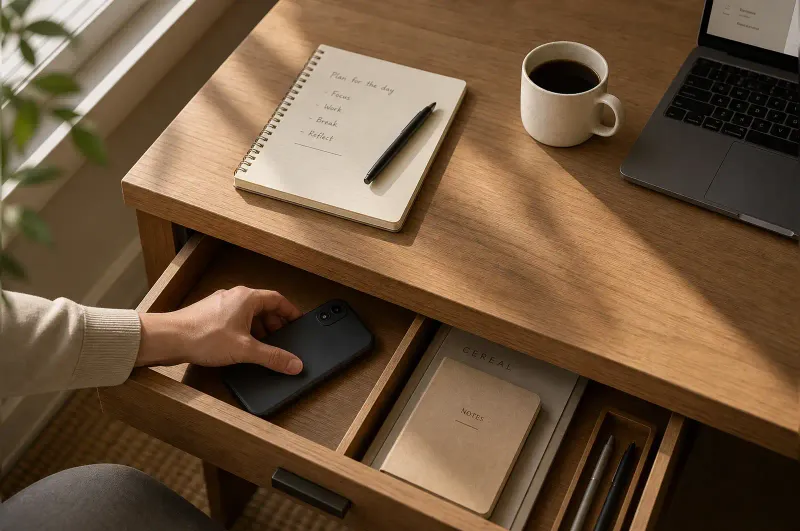
Phone notifications fragment your attention at work more than you realize. Here are practical strategies — from physical blockers to mindset shifts — that actually help you stay focused.

The average person now switches tasks every 47 seconds. Here's what actually works to rebuild your attention span, backed by new research and techniques that don't require buying a $500 minimalist phone.

New research shows AI tools give back a full workday each week — but most workers spend it checking AI outputs or doomscrolling. Four practical strategies to actually use the time you're getting back.

Decision fatigue and burnout feed each other in a loop that gets worse every day. Here's how to break it before your brain checks out for good.
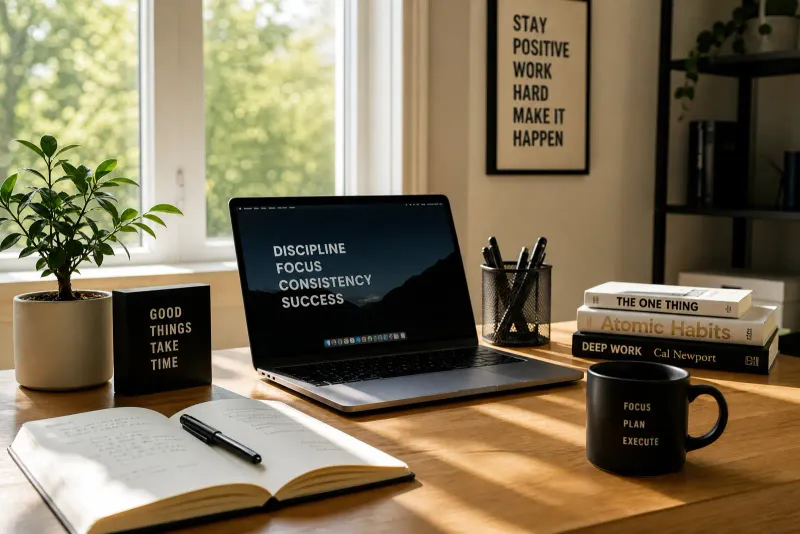
Transform your work-from-home routine with science-backed productivity strategies that remote workers and managers swear by in 2026.
Standard time management advice like pomodoro and time blocking backfires when your calendar is unpredictable. Here's what actually works for people who juggle too much.
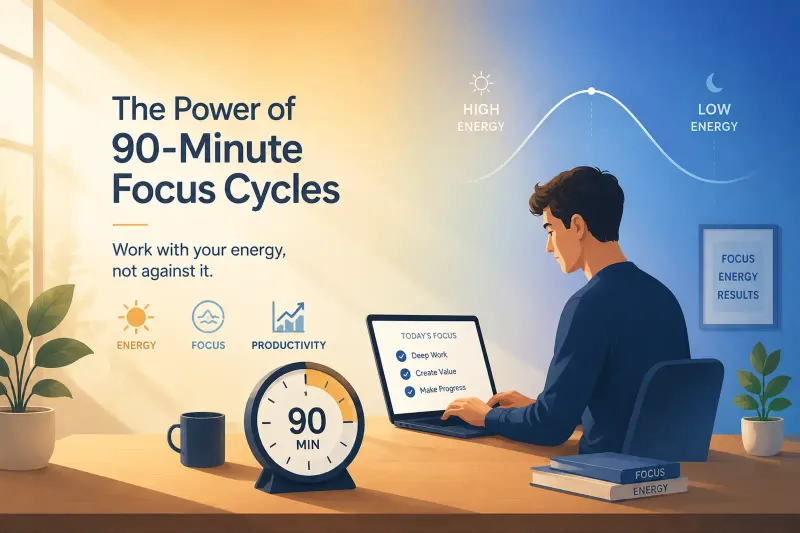
Your brain runs on 90-minute focus cycles. Learn the science behind ultradian rhythms and how to schedule your day around them for maximum output.
Saying yes to everything is not a work ethic — it's a fast track to burnout. Here's how to protect your time and still be the person people want on their team.
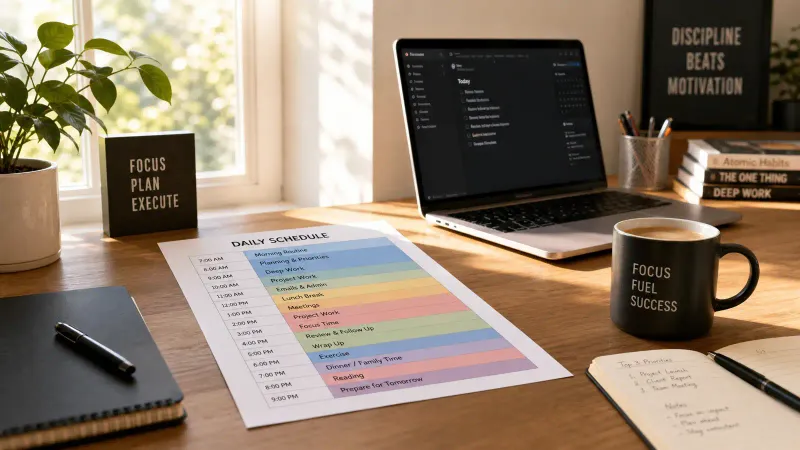
Switching between tasks costs you up to 40% of your productive time. Here's how to batch similar work together and actually get things done without burning out by noon.

Research on morning cognitive performance points at one uncomfortable truth: the 30–60 minutes after you wake up are too valuable to spend on planning. Here's the evening review habit that saves those minutes for real work.

Procrastination isn't laziness. It's an emotional regulation problem — you're avoiding the negative feelings a task triggers. These six strategies target the root cause, not the symptom.
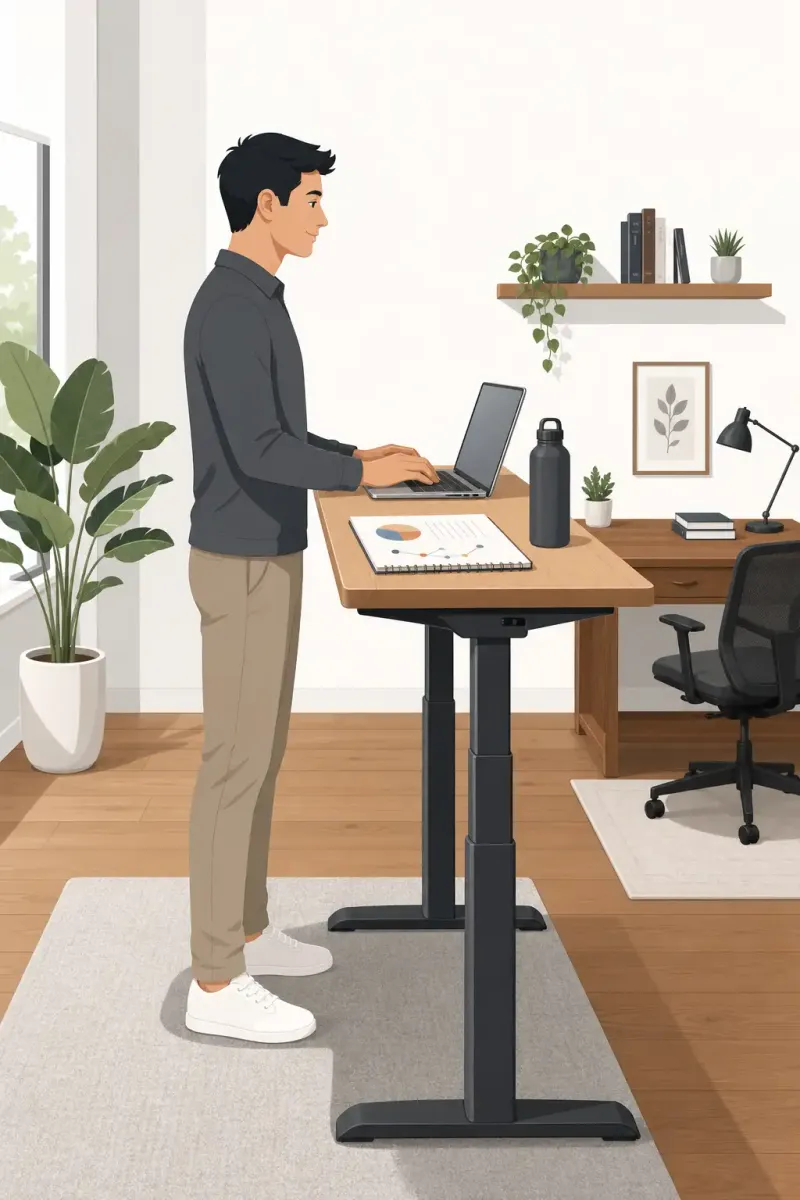
Standing desks were supposed to fix everything — back pain, obesity, focus problems, early death. A decade later, the research tells a more nuanced story about what standing desks do and don't improve.

Lo-fi beats, white noise, classical, or silence — we dug into the studies to find out what actually helps focus and what's just a placebo with a good playlist name.
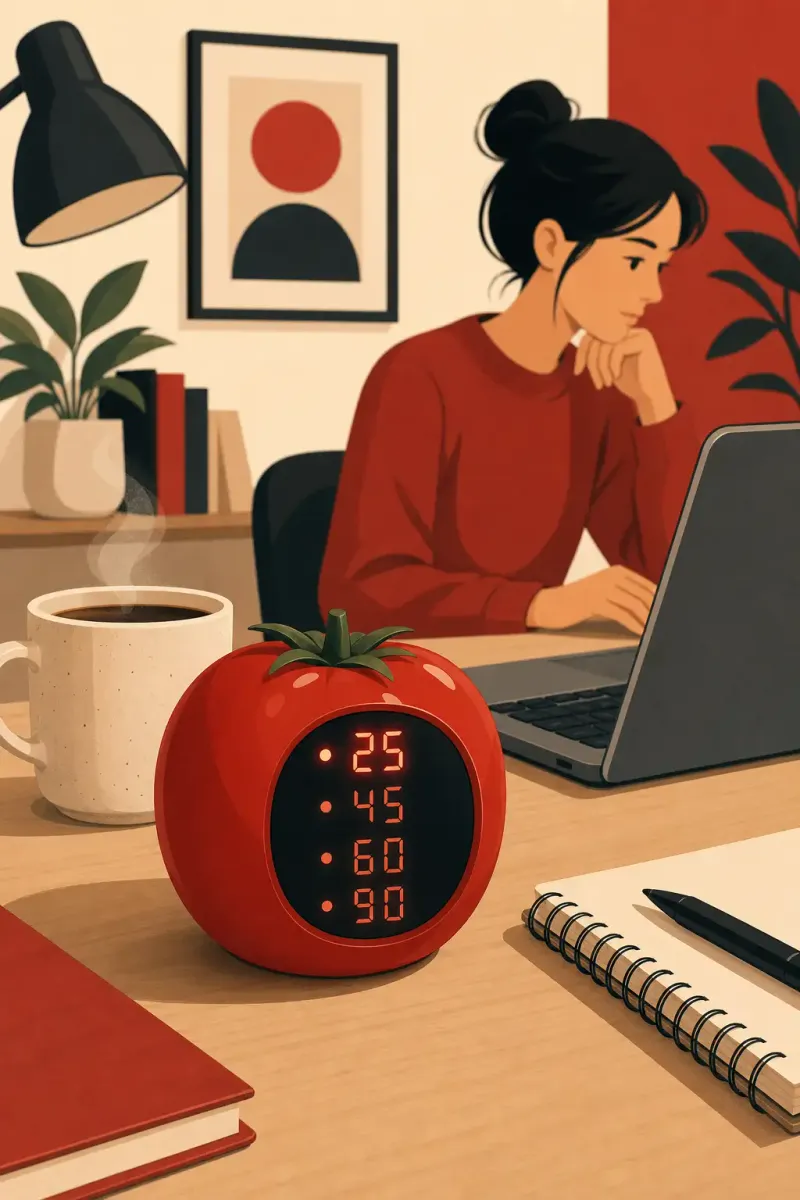
The classic 25-minute Pomodoro doesn't fit every task or personality. Here's how to adjust the timing, handle interruptions, and make the technique work for deep work, not just busy work.
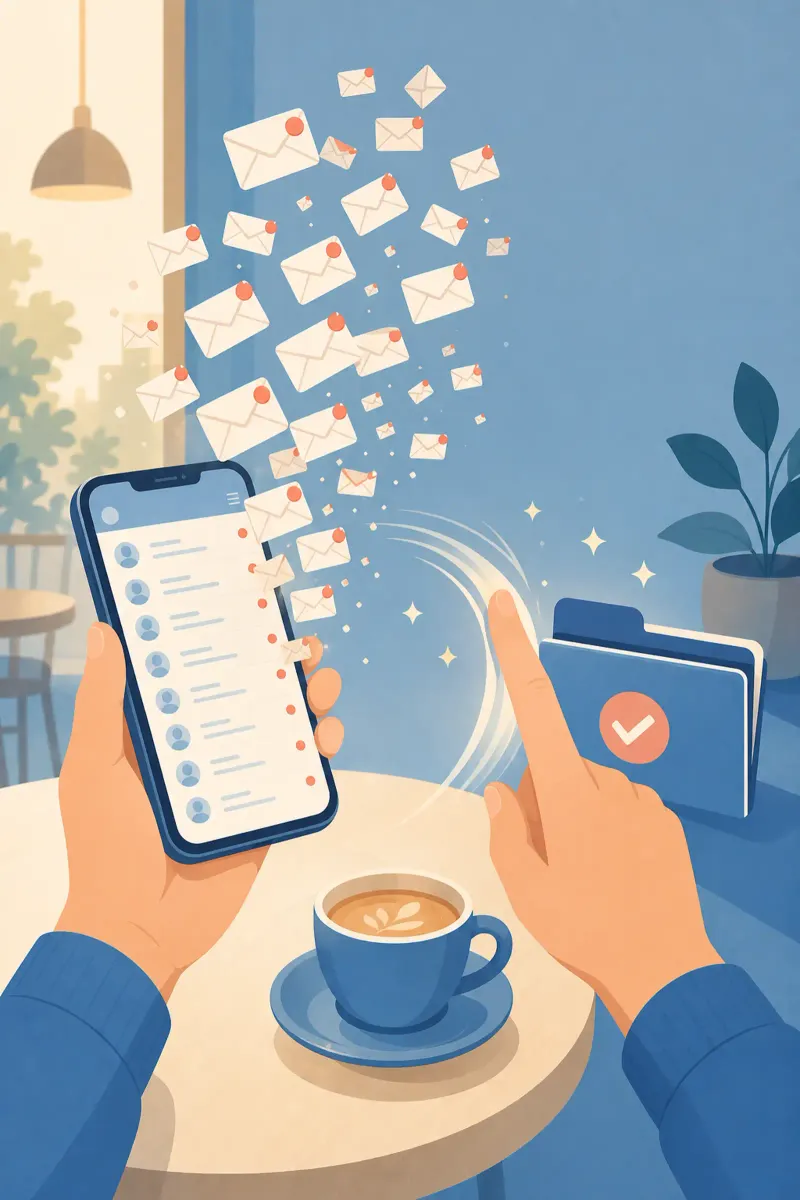
You don't need to hit zero. You need a system that prevents email from hijacking your attention every 20 minutes. Here's the low-maintenance approach that works for normal people.
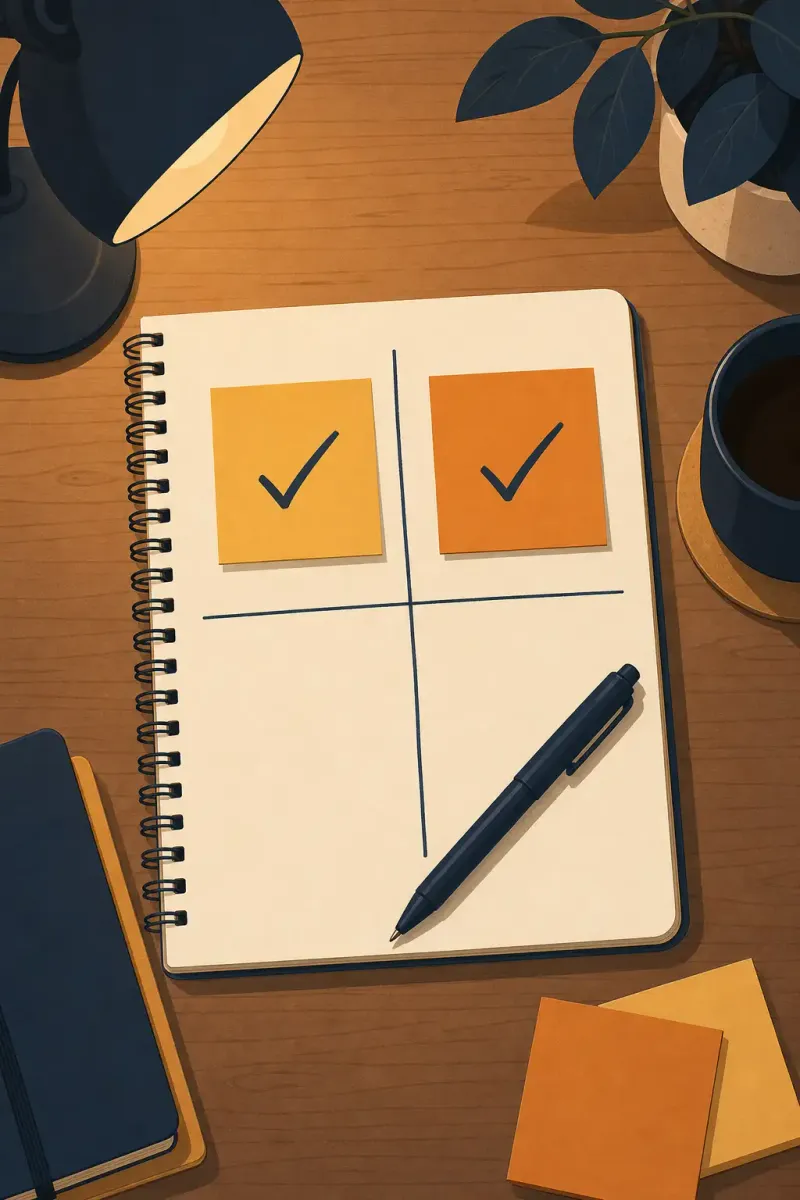
Most people spend their day fighting fires and wonder why nothing meaningful gets done. The Eisenhower Matrix separates what demands your attention from what deserves it — and the difference changes everything.

The average person has 80 apps on their phone, 7,000 unread emails, and a desktop covered in files. A digital declutter isn't just tidying — it's recovering attention you didn't know you were losing.

Discover 15 evidence-based strategies to dramatically improve your focus and concentration. Learn how to train your attention muscle, eliminate distractions, and achieve deep work in a distracted world.
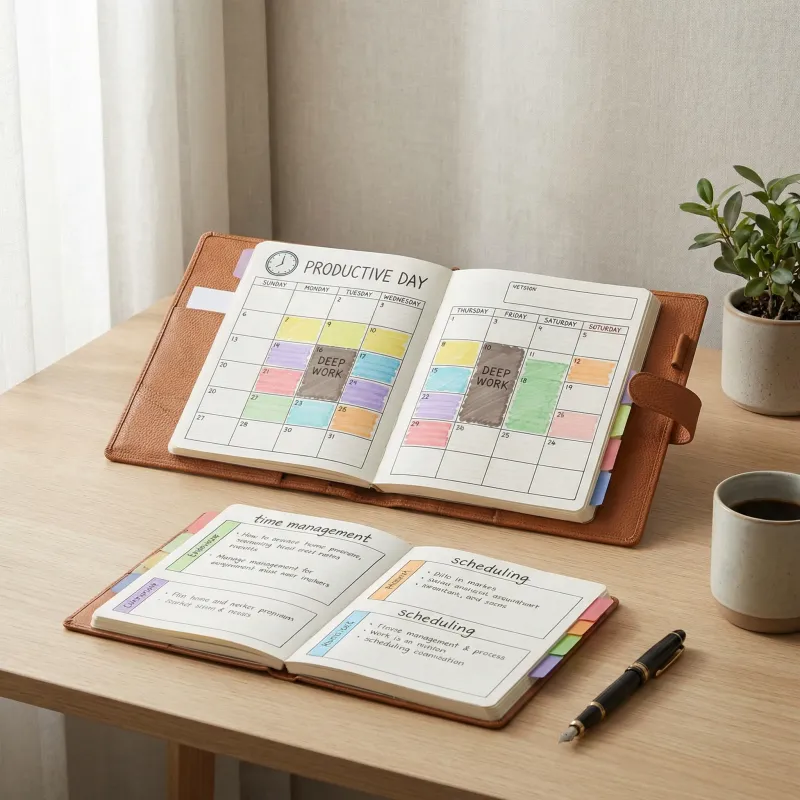
Master time blocking to achieve deep work and maximum productivity. Learn the science behind focused work, proven implementation strategies, and how to protect your most valuable hours from interruptions.

The ability to focus without distraction is becoming rare. Here's how to cultivate it.

Discover science-backed morning habits that boost focus, reduce stress, and set you up for a productive day. From 15-minute quick routines to complete 1-hour plans.

Move beyond busywork. These evidence-backed strategies will help you accomplish more without sacrificing your sanity.
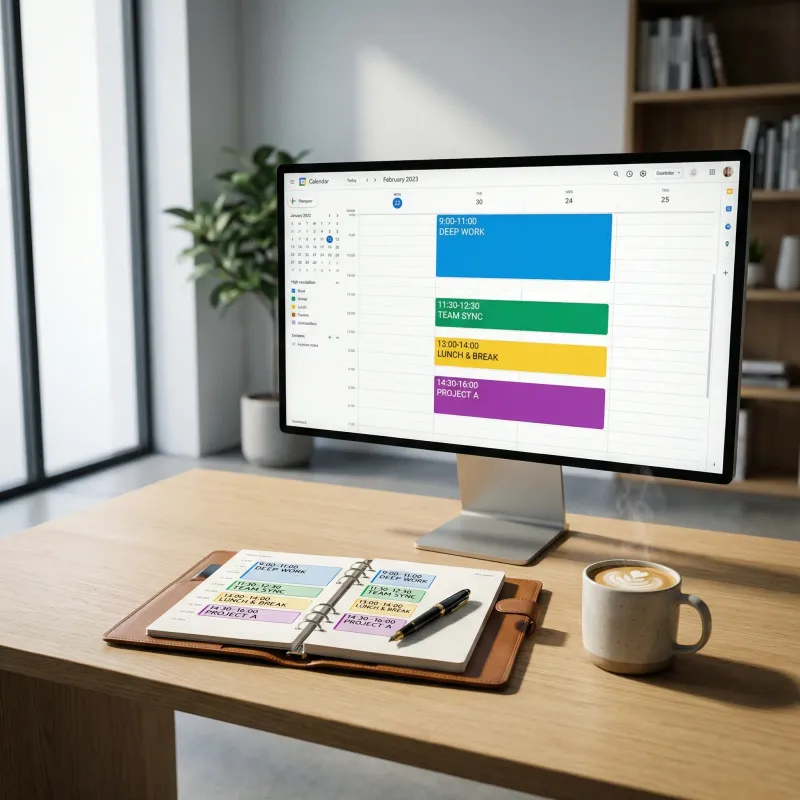
Learn how time blocking transforms chaotic schedules into focused work sessions. Includes templates, common mistakes, and proven strategies from productivity experts.