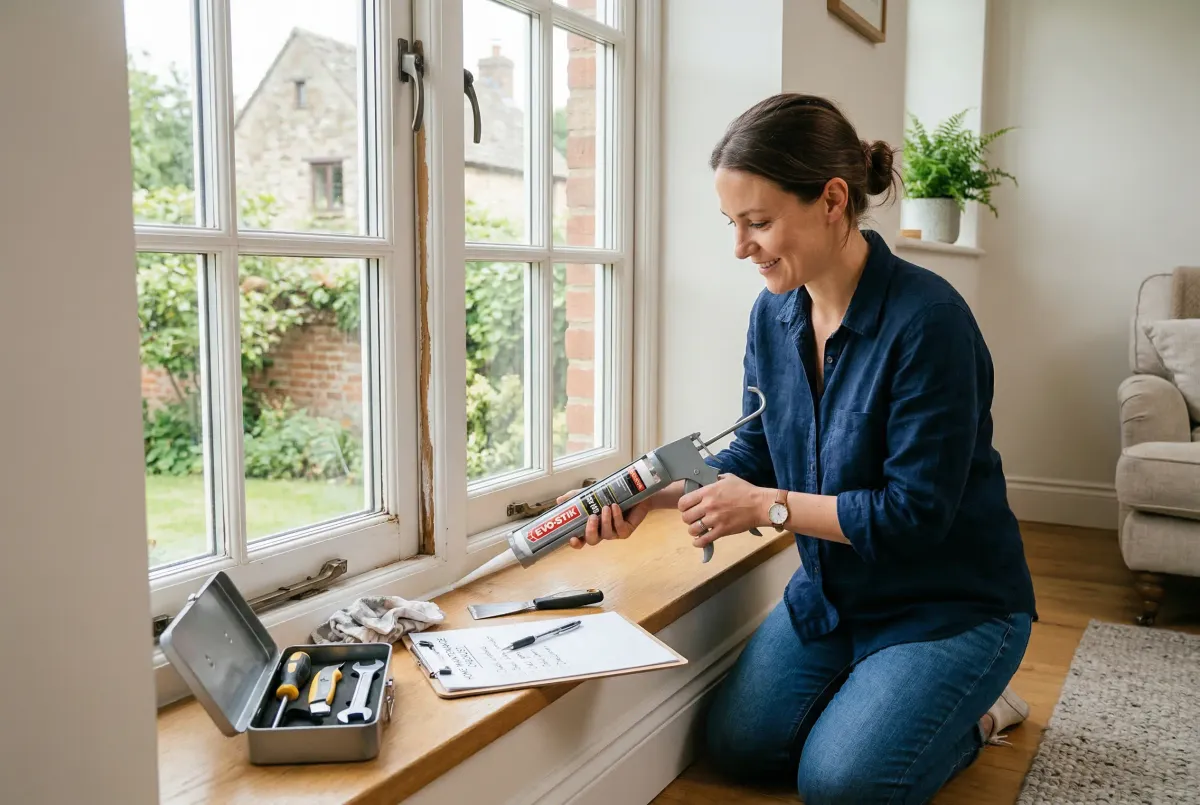
Some of the best money-saving home repairs are the ones nobody notices when you finish. A new toilet flapper is not exciting. Fresh caulk around a tub is not exciting. Reattaching a loose downspout extension is not exactly dinner-party conversation either.
What those fixes can do, though, is stop the kind of slow damage that turns into cabinet replacement, mold cleanup, drywall work, or a service call during the hottest week of the year. That is the whole reason to do them early.
This list focuses on small repairs that are cheap, practical, and backed by guidance from the U.S. Department of Energy, EPA WaterSense, ENERGY STAR, FEMA, and Ready.gov. Some take ten minutes. Some take an hour. Most cost a lot less than waiting.
How We Chose These Repairs
I kept the list focused on fixes that meet three tests:
- They address common problems homeowners can catch early
- They reduce the risk of larger water, weather, or HVAC damage
- They have a realistic DIY or low-cost service path
This is not a remodel list. It is the stuff you handle now so you are less likely to write a painful check later.
12 Small Home Repairs That Prevent Big Bills
1. Replace a worn toilet flapper before it turns into a constant leak
This is one of the cheapest repairs in the house, and one of the easiest to ignore. A toilet can leak silently for weeks if the flapper is not sealing well.
EPA WaterSense says toilet flappers should be replaced at least every five years to help avoid leaks. It also recommends the simple dye test: put a few drops of food coloring in the tank, wait about 10 minutes, and see whether color shows up in the bowl. If it does, you have a leak that is usually cheap to fix now and annoying to pay for later.
2. Fix dripping faucets instead of living with the sound
A dripping faucet feels minor until you remember that minor leaks run all day. Ready.gov notes that one drip per second can waste 2,700 gallons of water in a year.
That makes this repair less trivial than it looks. Sometimes the problem is a worn washer. Sometimes it is a cartridge or aerator issue. EPA WaterSense also recommends checking under sinks for puddling and wet connections, because the leak you hear is not always the only one there.
3. Tighten or re-tape a leaking showerhead connection
Showerhead leaks often get written off as harmless because the water still lands in the shower. That is fine until the drip gets worse, mineral buildup increases, and the fitting starts spraying where it should not.
EPA WaterSense recommends checking for drips or stray sprays and making sure the showerhead has a tight connection to the pipe, using a wrench and pipe tape if needed. This is a small job, but it keeps a tiny plumbing annoyance from becoming a replacement job or a wall moisture problem.
4. Re-caulk around tubs, showers, and sink backsplashes
Caulk fails quietly. It cracks, shrinks, or pulls away from the surface just enough to let water get where it should not.
That matters most around tubs, shower walls, sinks, and counters. You may not see standing water outside the joint, but repeated daily exposure can send moisture behind the finish materials. If you already read our guide on hidden water damage warning signs, this is one of the repairs that helps keep those warning signs from showing up at all.
5. Replace torn weatherstripping and damaged door sweeps
The Department of Energy says caulking and weatherstripping are simple air-sealing techniques that often pay back quickly, in many cases within a year or less. More importantly, air leaks do not just waste energy. DOE also notes that they can contribute to moisture problems that affect building durability.
If exterior doors leak air at the threshold or around the frame, replace the weatherstripping or the sweep before the gap gets worse. This is one of those repairs that improves comfort right away while also reducing the odds of dampness and trim wear around problem doors.
6. Seal small gaps where pipes, wires, and vents pass through walls
DOE recommends plugging and caulking holes or penetrations for faucets, pipes, electric outlets, and wiring. These are easy to miss because each gap looks small on its own.
Together, they let in outside air, moisture, and sometimes pests. Around the exterior of the house, they can also become water entry points. A tube of caulk or the right sealant is cheap. Letting those penetrations sit open usually is not.
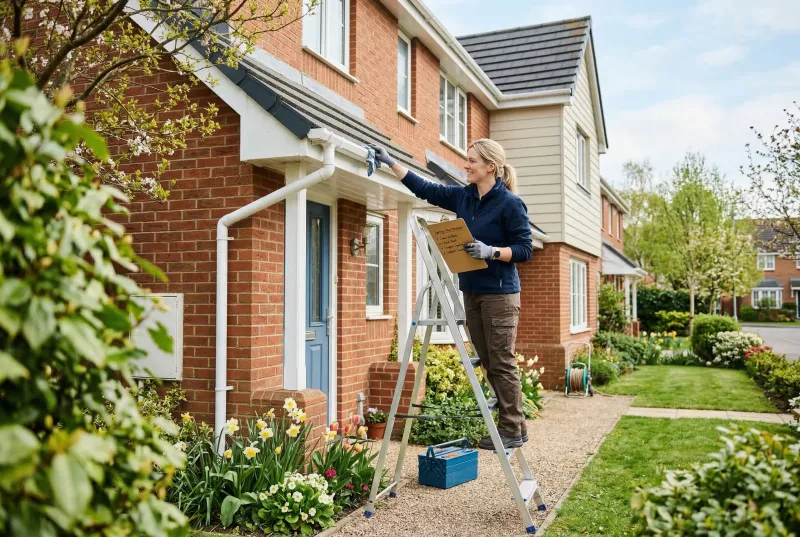
7. Reattach loose downspout extensions and fix obvious gutter joint leaks
FEMA repeatedly emphasizes the importance of moving water away from the house. Its flood protection guidance recommends improving runoff around foundations, and its low-cost flood mitigation materials note how much trouble clogged or poorly functioning gutters can cause.
You do not need a full drainage redesign to get value here. If a downspout extension has detached, water is dumping right next to the house, or a gutter joint is leaking in one spot, fix that now. Small drainage failures have a bad habit of becoming basement dampness, foundation seepage, and siding rot.
8. Seal small foundation cracks before water finds them first
FEMA specifically recommends sealing foundation cracks with mortar or masonry caulk to help keep water out. This is one of the clearest examples of a small repair preventing a much larger bill later.
The repair itself is often cheap when the crack is minor and stable. The damage from ignoring it can include seepage, repeated dampness, interior staining, and expensive waterproofing work if water keeps finding the same path inside.
9. Replace broken sprinkler heads and stop overspray onto pavement
EPA WaterSense recommends a spring irrigation check to catch winter damage, clogs, leaks, and overspray. That makes this one of the easiest outdoor fixes to justify.
If a sprinkler sprays the sidewalk instead of the lawn, mists into the street, or leaks at the head, you are paying for water that is not helping your landscape. A replacement head or adjustment is usually cheap. Letting the system waste water all season is not.
10. Clear the condensate drain and change the HVAC filter
ENERGY STAR warns that a plugged condensate drain can cause water damage in the house and affect indoor humidity levels. It also says a dirty air filter can raise energy costs and damage equipment.
That is a useful reminder because homeowners often separate those two problems in their minds. In practice, they are part of the same issue: a neglected cooling system is more likely to waste money and leak water where you do not want it. If you want the seasonal version of this advice, it pairs well with our spring home maintenance checklist.
11. Seal obvious duct leaks at seams before conditioned air escapes
DOE says dirt streaks near duct seams can indicate air leaks, and it recommends sealing leaking ductwork with duct mastic. This is not the glamorous part of home maintenance, but it can make a real difference.
Leaky ducts waste conditioned air, make rooms harder to heat or cool, and force the system to work harder than it should. If the ducts run through unconditioned space, the lost air is even more expensive. Sealing a visible seam now is better than paying for a comfort problem all summer.
12. Fix the sump pump problem while the basement is still dry
FEMA recommends a sump pump with a battery-operated backup in homes where basement flooding is a known risk. That tells you how expensive a failed sump setup can become.
If the float sticks, the backup battery is dead, or the discharge line clearly needs attention, handle that before the next heavy rain. This is the kind of repair nobody wants to think about until the floor is wet. By then, the repair is no longer the main cost.
What to Fix First if Your Budget Is Tight
If you cannot do everything at once, start with the repairs most likely to involve water:
- Toilet flappers and dripping faucets
- Failed caulk at tubs, showers, and sinks
- Loose downspouts and small foundation cracks
- Condensate drain and HVAC filter issues
- Sump pump problems
That group gives you the best shot at preventing the kind of damage that spreads beyond one part or one room.
Final Thoughts
The most useful home repairs are often the least dramatic. They do not make the house look different. They just remove the conditions that let bigger problems grow in the background.
That is why these small fixes matter. They save water, cut energy waste, and keep minor leaks from turning into damaged finishes and emergency calls. If you are building a stronger maintenance routine, this article works best alongside our spring home maintenance checklist and hidden water damage warning signs. Put together, they cover what to inspect, what to watch, and what to fix before the bill gets out of hand.
Research and References
- Do-It-Yourself Home Energy Assessments, U.S. Department of Energy, published May 30, 2014
- Air Sealing Your Home, U.S. Department of Energy, published May 8, 2012
- Maintenance Checklist, ENERGY STAR
- Home Maintenance, U.S. EPA WaterSense, last updated March 2, 2026
- Five Steps You Can Take to Protect Against Future Flooding, FEMA, released September 11, 2024
- Drought, Ready.gov, last updated February 20, 2026
Discussion
Comments
Share a helpful tip, question, or takeaway from Small Home Repairs That Prevent Big Bills: 12 Fixes Worth Doing Early.
0 Comments
Loading comments…