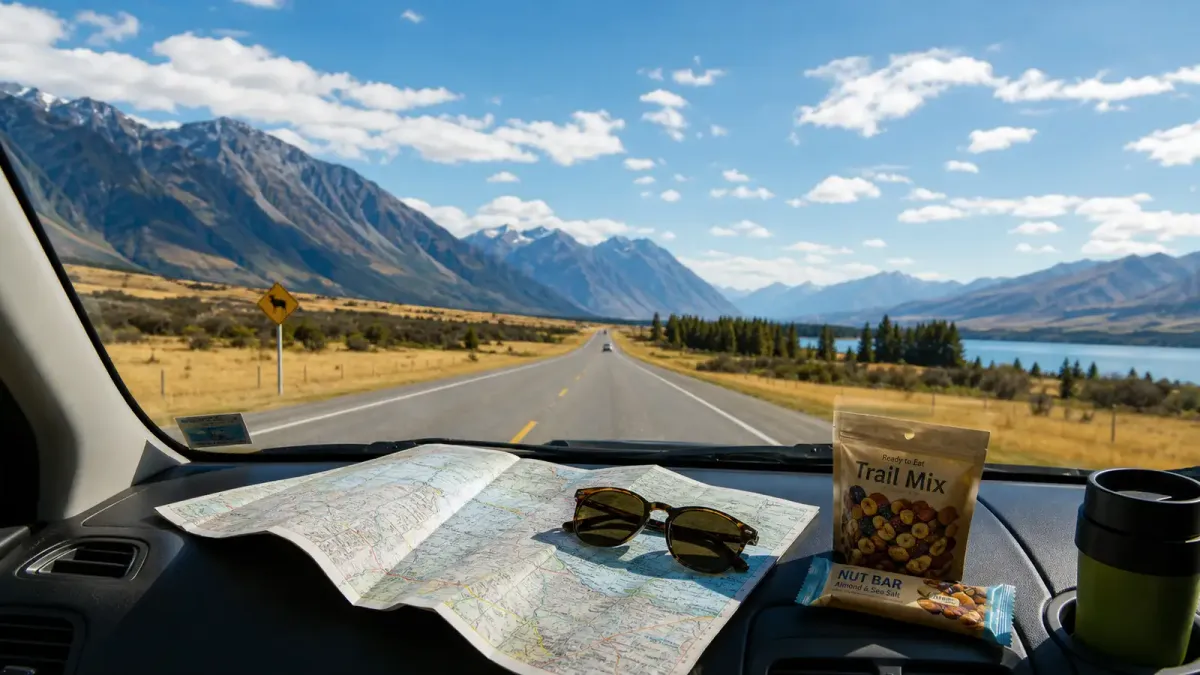
The romantic version of a road trip: windows down, playlist perfect, everyone laughing as the landscape scrolls past. The reality, more often: someone needs a bathroom 20 minutes after the last stop, the snack bag has turned into a crumb catastrophe, and every passenger is on their phone ignoring the view they insisted on seeing.
Good road trips don’t happen by accident. They happen because someone thought through the logistics before the car left the driveway.
Before You Leave: The Car
A breakdown on the highway is expensive, dangerous, and avoidable. A week before departure, do a basic mechanical check or have a shop do one. Check tire pressure — including the spare. Low tires reduce fuel efficiency and increase blowout risk. Check oil, coolant, windshield washer fluid, and brake fluid levels. Replace wiper blades if they streak.
Make sure your roadside assistance membership is active and you have the number saved in your phone, not just on a card in the glove compartment you’ll forget exists. Download offline maps for your route — cell service disappears in the places road trips are most fun.
Packing the Car
Everyone wants the front seat. Someone’s going to lose. Decide the seating arrangement before departure day, not while standing in the driveway with luggage piling up.
Heavy items go low and as far forward as possible. Sleeping bags and pillows go on top. Keep a “car bag” accessible from the passenger seat: snacks, wipes, phone chargers, a roll of paper towels, trash bags, and any medications anyone might need mid-drive. Nothing kills road trip momentum like pulling over and digging through a packed trunk for a band-aid.
The Route
Interstates are faster. Back roads are better. The best trips use both. Plan your route so you’re on highways for the boring stretches — the industrial outskirts, the endless cornfields — and switch to scenic byways when there’s actually something to see. Roadtrippers.com and the “avoid highways” toggle on Google Maps are good starting points.
Build in stops every two to three hours, even if nobody needs a bathroom. A 10-minute stretch at a rest area or a weird roadside attraction resets everyone’s mood. On a 10-hour drive, three intentional stops add maybe 45 minutes total and prevent the simmering resentment of a passenger who’s been holding it for 90 miles.
Food
Fast food is the default because it’s easy, but eating burgers three times in one day makes everyone feel terrible. Pack a cooler with real food: sandwiches, cut vegetables, cheese sticks, hard-boiled eggs, fruit that doesn’t bruise (apples, oranges, grapes). A 10-pound bag of ice is $3 at any gas station and keeps a cooler cold for a full day. Refill it at hotel ice machines overnight.
The snacks should be a mix of protein and carbs. Straight sugar leads to a car full of hyper passengers, then a car full of crashing passengers. Trail mix, jerky, granola bars, and popcorn are better than candy.
Entertainment
Download, don’t stream. Podcasts, audiobooks, and playlists need to live on devices, not depend on cell service. A shared audiobook is the best car entertainment for adults — it keeps everyone engaged in the same thing and sparks conversation. For kids, download shows and movies to a tablet with a good case and headphones. The “are we there yet” problem is largely a boredom problem, and boredom is fixable.
Pack a physical map. Not for navigation — for showing passengers where they are and where they’re going. There’s something about tracing a route with a finger that makes the trip feel like an adventure instead of a commute.
The First and Last 30 Minutes
Crashes are most likely within 30 minutes of home, according to the National Highway Traffic Safety Administration. You’re either excited and distracted at the start or tired and zoning out at the end. Stay alert during these windows. Get coffee before the final stretch if you need it. And never pull into your driveway mid-argument about whose directions were wrong — just park and deal with it tomorrow.

Discussion
Comments
Share a helpful tip, question, or takeaway from Road Trip Planning: A Checklist That Makes the Drive Better Than the Destination.
0 Comments
Loading comments…