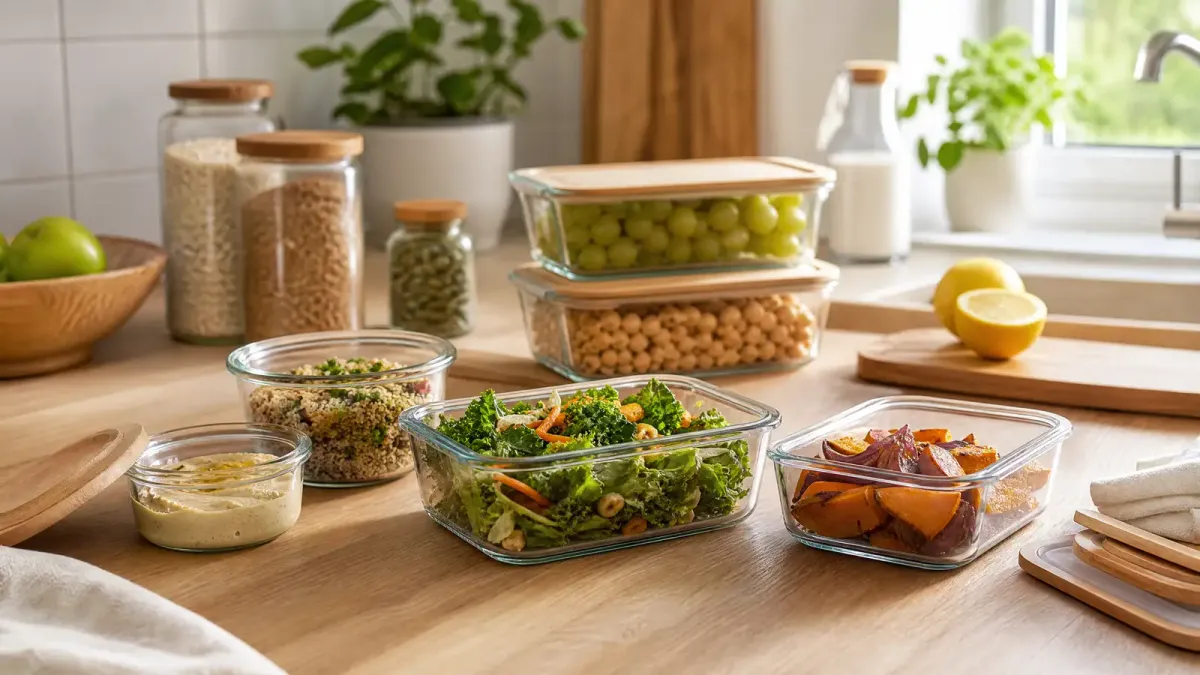
If you’ve been using the same set of Tupperware or Rubbermaid containers for years, you’re probably not alone. They’re the names we all reach for when it’s time to pack leftovers or meal-prep for the week. But according to Consumer Reports’ latest round of testing, neither brand took home the top spot.
The organization put roughly 36 different food storage products through its labs, scoring them on durability, seal quality, and overall ease of use. The winner? IKEA’s 345+ 34-ounce rectangular glass container, which retails for $6.
The Results at a Glance
Here’s what stood out from the testing:
- IKEA 345+ 34-ounce rectangular glass container — highest overall score, the only product to earn both CR’s “Recommended” and “Smart Buy” designations
- Two other products came in close behind, but the remaining 32 containers scored significantly lower
- IKEA’s glass containers scored high across all three test categories: durability, seal quality, and everyday usability
That last point matters more than it sounds. A container can look great on a shelf, but if the lid warps after three dishwasher cycles or the seal gives up after a month of fridge storage, you’re back at the store buying replacements.
What Testers Found
The Consumer Reports lab had nothing negative to say about the IKEA glass containers. They stack well, seal tight, and the glass holds up to repeated washing without clouding or staining. For anyone who’s dealt with orange-tinted plastic after storing curry or chili, the glass advantage is obvious.
There is one caveat worth mentioning. A handful of IKEA customer reviews pointed out that the containers don’t nest neatly when stacked inside each other — they tend to get stuck awkwardly without really nesting, which means they can hog more cupboard space than you’d expect. That’s a storage consideration, not a dealbreaker, but worth planning for if you’re buying a full set.
Why Glass Wins for Food Storage
The shift from plastic to glass isn’t just aesthetic. Glass containers don’t absorb odors or stain from tomato-based sauces. They go straight from fridge to microwave to dishwasher without warping. And because the IKEA 345+ lids snap on with a firm seal, you don’t get that slow leak that turns your bag into a soup disaster.
For meal prep specifically, glass means you can see what’s inside at a glance — no opening five identical opaque containers to find the one with Tuesday’s lunch.
Is It Worth Switching?
If your current containers are still sealing properly and you’re happy with them, there’s no urgent reason to replace everything overnight. But if you’re restocking or expanding, the IKEA 345+ line is hard to beat at $6 per container. You’ll need to make a trip to IKEA or order through their website, but the quality-to-price ratio is genuine.
And for anyone who’s spent $30-plus on a branded plastic set that started leaking after six months, the math works out pretty quickly.

Discussion
Comments
Share a helpful tip, question, or takeaway from Consumer Reports' Top Food Storage Pick for 2026 Isn't Tupperware or Rubbermaid.
0 Comments
Loading comments…