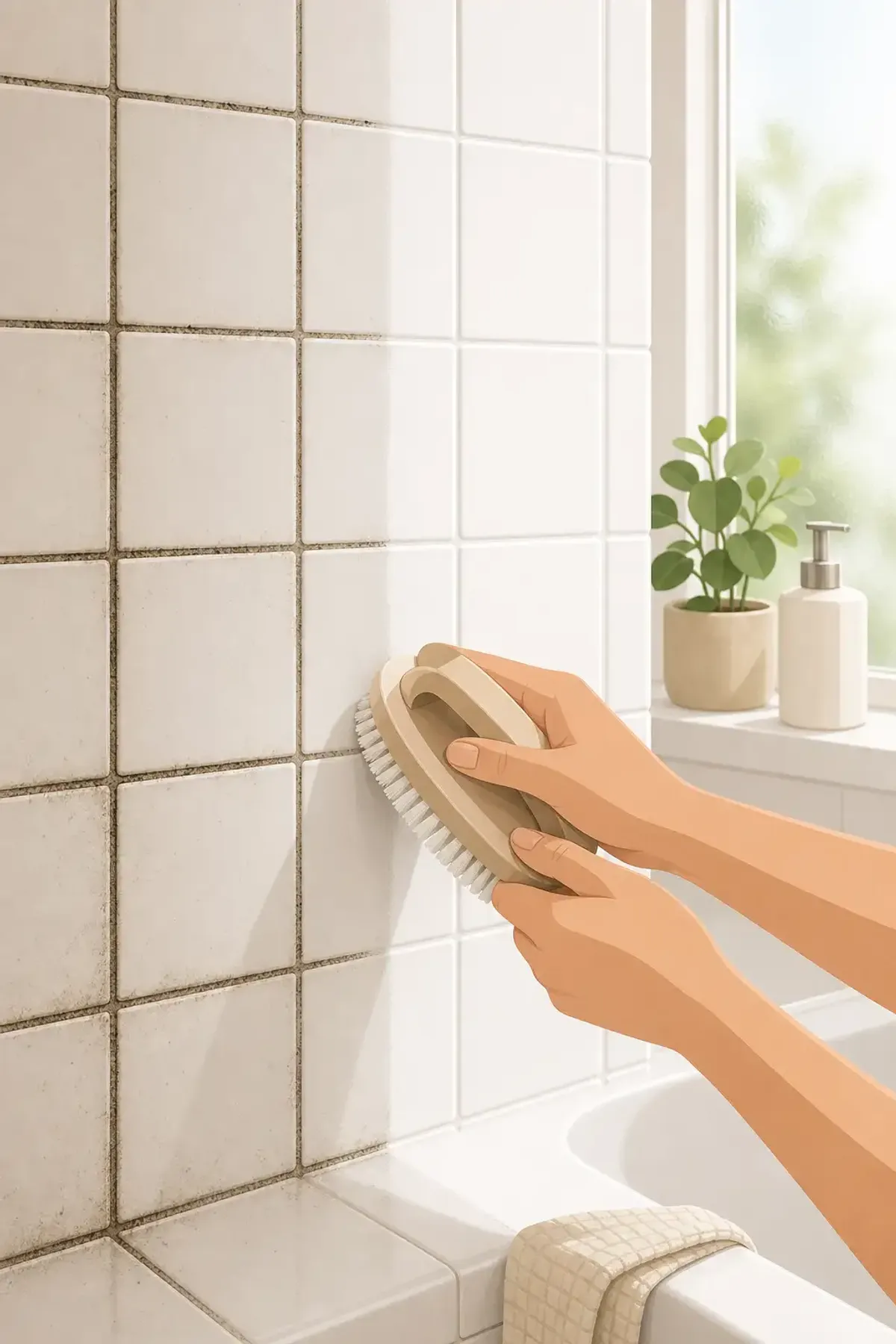
Bathroom grout is porous. It drinks up soap scum, hard water minerals, mildew, and whatever else your shower throws at it. After a year or two, the lines between your tiles go from white to off-white to a shade you’d rather not name.
The good news: you do not need to regrout. The bad news: not every internet hack works, and some — like straight bleach on colored grout — can do permanent damage. I tried seven methods on a bathroom that hadn’t seen a deep grout cleaning in three years. Here’s what happened.
What makes grout so hard to clean
Grout is a cement-based material. Unlike glazed tile, it has microscopic pores that trap dirt, body oils, and soap residue. Once moisture gets in, mold and mildew follow. Regular bathroom cleaners slide right off because they’re designed for non-porous surfaces.
That’s why the most effective grout cleaners are either alkaline (to break down grease and soap scum) or mildly acidic (to dissolve mineral deposits). The trick is using the right one for your specific stain.
Method 1: Baking soda and hydrogen peroxide paste — the all-around winner
Mix three parts baking soda with one part hydrogen peroxide until you get a spreadable paste. Apply it along grout lines with an old toothbrush, let it sit for 10 minutes, then scrub and rinse.
This was the only method that worked noticeably on every type of stain: soap scum, mildew, and general discoloration. The baking soda provides gentle abrasion without scratching the grout, and hydrogen peroxide oxidizes organic stains. It also costs about $3 for both ingredients.
One caveat: on very old, crumbling grout, even gentle scrubbing can erode the surface. Test a small hidden spot first.
Method 2: White vinegar and water — good for hard water, useless on mold
A 50/50 mix of white vinegar and warm water, sprayed on and left for 30 minutes, dissolved hard water deposits effectively. But it did almost nothing to mold stains or deep-set grime. The acid in vinegar (acetic acid, around 5%) simply isn’t strong enough for organic buildup.
Also worth noting: vinegar can etch natural stone tiles like marble or travertine. If your bathroom has stone tiles, skip this one entirely.
Method 3: Oxygen bleach (OxiClean) — the mold killer
Dissolve one scoop of oxygen bleach powder in warm water, apply to grout lines, and wait 30 minutes. This worked better than anything else on black mold stains. The oxygen bubbles lift organic matter out of the pores.
Unlike chlorine bleach, oxygen bleach doesn’t discolor colored grout or produce harsh fumes. It’s my go-to for mold-heavy bathrooms. Downside: it needs the full 30 minutes to work, so patience is required.
Method 4: Steam cleaner — expensive but effortless
If you own a steam cleaner with a grout attachment, use it. The 200°F+ steam loosens everything — soap scum, mold, mineral deposits — without any chemicals. You still need to wipe away the loosened gunk with a microfiber cloth, but there’s zero scrubbing.
The catch is the upfront cost. A decent handheld steam cleaner runs $40-80. If you’re already dealing with multiple tiled surfaces (kitchen backsplash, bathroom floor), it pays for itself in saved cleaning hours.
Method 5: Baking soda and dish soap — better than expected
A paste of baking soda and blue Dawn dish soap (roughly 2:1 ratio) scrubbed in with a stiff brush cleaned about 70% of the grime. The dish soap cuts through body oils and soap residue that water-based cleaners miss.
It didn’t touch mold or deep stains, but for maintenance cleaning between deep cleans, this is fast and effective. Plus you already have both ingredients.
Method 6: Chlorine bleach pen — precise but risky
A bleach gel pen lets you apply bleach exactly where you want it without splashing. It whitened grout lines dramatically in about five minutes. But the fumes were intense even with the bathroom fan running, and I accidentally got a drop on a colored bath mat — it’s now tie-dyed.
Only use this on white grout, with windows open and a mask on. Never mix bleach with anything containing ammonia or acids — the resulting gas can be dangerous.
Method 7: Commercial grout cleaner (Zep) — powerful but chemical-heavy
Zep Grout Cleaner and Brightener, which is acidic, stripped years of buildup in under five minutes with almost no scrubbing. The trade-off: the fumes were worse than bleach, and I had to wear gloves and eye protection.
For rental move-out cleans or truly neglected bathrooms, a commercial product saves time. For regular maintenance, stick with the baking soda paste.
How to keep grout clean after all that work
Re-seal your grout after deep cleaning. A $10 grout sealer pen takes 20 minutes for an average shower and prevents stains from soaking in for a year or more.
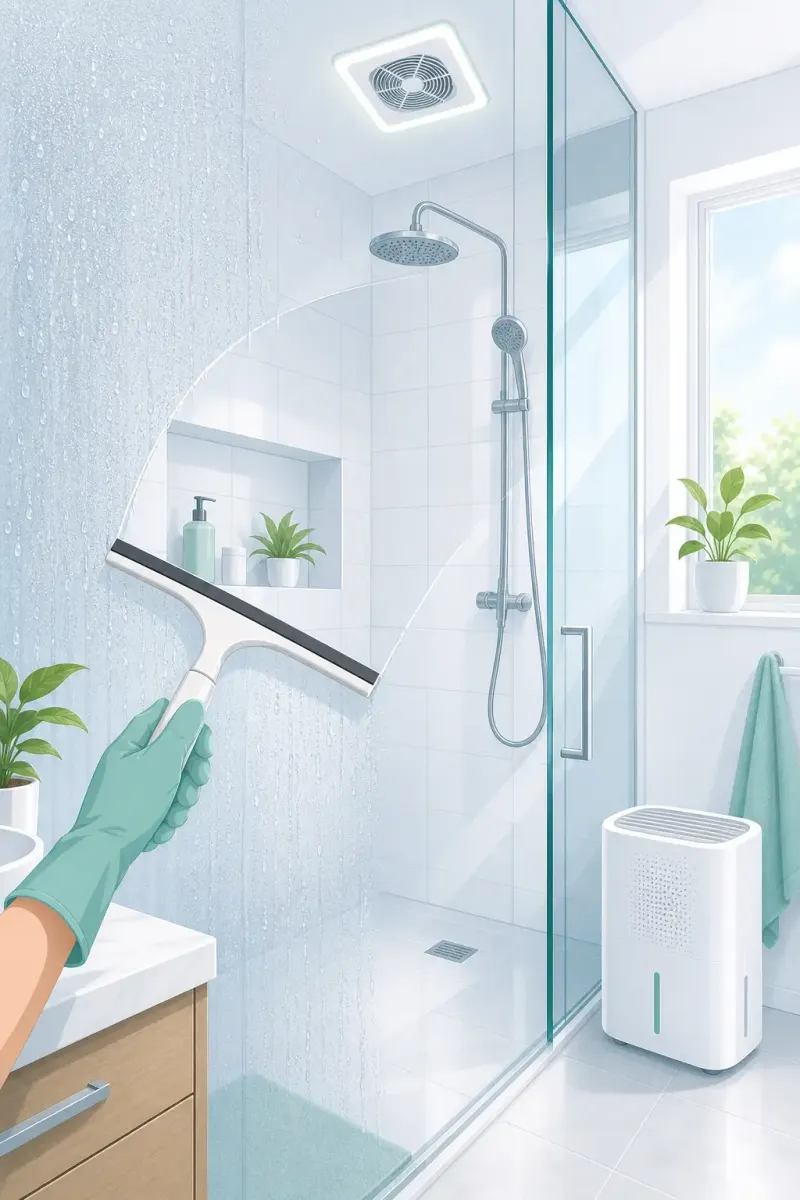
Squeegee the shower walls after every use. It takes 30 seconds and removes 75% of the water that would otherwise evaporate and leave mineral deposits behind.
Run the bathroom fan for 20 minutes after showering. Moisture is what turns grout from clean to moldy, and a fan that actually vents outside (not into the attic) makes a measurable difference.
If you want to go a step further, check out our spring home maintenance checklist for other areas that need attention before they become expensive repairs, or our hidden water damage guide to catch problems before grout stains turn into something worse.
Discussion
Comments
Share a helpful tip, question, or takeaway from How to Clean Bathroom Grout: 7 DIY Methods That Actually Remove Years of Grime.
0 Comments
Loading comments…