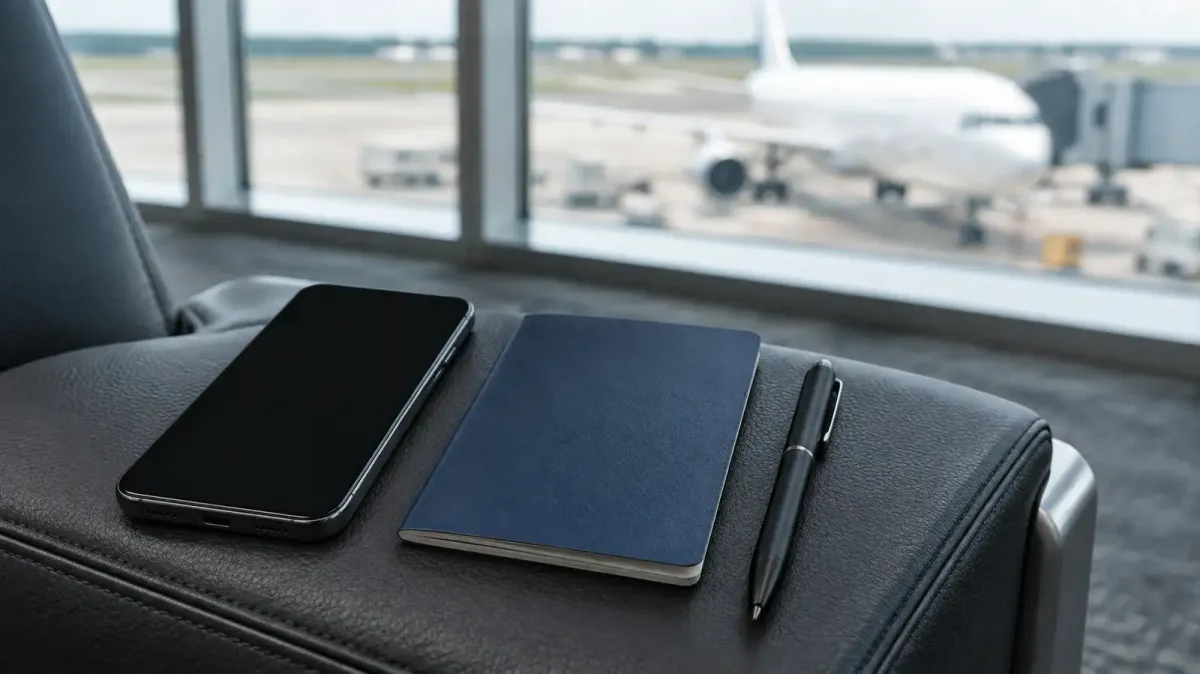
Federal health authorities have introduced a mandatory boarding declaration that affects every passenger flying into the United States from abroad. Under an emergency public health order issued by the Centers for Disease Control and Prevention, commercial airlines and private aircraft operators must collect a signed passenger disclosure before letting anyone board a U.S.-bound flight. The mandatory CDC travel attestation took effect at 11:59 p.m. Eastern Standard Time on November 3, 2026, and is scheduled to remain in force through at least December 18, 2026.
The directive was issued under Sections 361, 365, 368, and 369 of the Public Health Service Act (codified at 42 U.S.C. §§ 264, 268, and 271) alongside federal quarantine regulations in 42 CFR Part 71. The order responds to an active Ebola outbreak centered in the Democratic Republic of the Congo. Unlike targeted travel warnings that apply solely to specific flight routes originating in Central Africa, this emergency order is universal. It applies to every commercial flight, private charter, corporate transport, and cargo flight departing any foreign country with a flight path leading into or connecting through a U.S. airport.
Because the federal order imposes a strict boarding prohibition on anyone who fails to present the declaration, carriers cannot issue final boarding passes without a completed document. Airlines received little advance notice before the November 3 deadline, creating sudden software updates, app glitches, and airport counter queues for international travelers returning home or visiting the country. Understanding what the declaration entails, how carriers collect it, and where the process snags can keep your itinerary intact.
What the new CDC travel attestation requires
The core requirement of the order centers on a single screening criterion: physical presence in the Democratic Republic of the Congo within the 21 days immediately preceding the scheduled boarding time. Twenty-one days represents the recognized maximum incubation window for the Ebola virus. Travelers must declare in writing, either on paper or through an approved electronic portal, whether they have set foot in the country during that timeframe.
The legal definition of physical presence in the order is strict. It encompasses any entry into the country across land, sea, or air frontiers. The rule specifically includes airside transit stops. If an international flyer remained inside an aircraft during a scheduled refueling stop on the tarmac in Kinshasa, or waited in an international transit lounge at an airport inside the DRC without clearing border control, that individual counts as having been physically present under federal rules.
Signing the attestation carries legal weight. The disclosure form includes an explicit advisory regarding Title 18, United States Code, Section 1001. Under federal law, knowingly making false, fictitious, or fraudulent statements on a government disclosure is a felony punishable by criminal fines and up to five years of imprisonment.
For airlines and aircraft operators, the mandate carries administrative obligations beyond simply asking a verbal question at check-in. The carrier must retain every signed attestation, whether in physical paper form or stored as an electronic record in their departure control system, for a minimum of 42 calendar days following the flight’s arrival. The airline must produce these records upon request if federal quarantine officers from the CDC or Department of Homeland Security inspect flight manifests.
Who must complete the attestation and who is exempt
The mandate applies across all seating classes and passenger types. The CDC order does not establish exemptions based on passport origin, citizenship status, or previous travel history.
The universal scope covers:
- U.S. citizens returning home from vacations, business trips, or long-term overseas stays.
- Lawful permanent residents holding green cards.
- Foreign tourists traveling under standard non-immigrant visas or through the Electronic System for Travel Authorization (ESTA) Visa Waiver Program.
- Passengers transiting through a U.S. gateway airport to catch an onward flight to a third country, such as a flight from Europe through Atlanta to Latin America.
- Commercial flight crews, relief pilots, cabin staff, and positioning crew members traveling on deadhead status.
- Passengers and crew on private jets, corporate aviation, and cargo charters.
The only demographic adjustments in the order involve individuals who cannot legally sign documents on their own behalf. For children under 18 years of age, a parent, legal guardian, or authorized accompanying adult must review the terms and sign the attestation on the minor’s behalf. For adult travelers who are mentally or physically incapacitated, an authorized legal guardian or travel companion holding power of attorney may complete and submit the declaration.
The U.S. Department of Transportation issued companion enforcement guidance to resolve potential conflicts with existing passenger accessibility statutes. Under 14 CFR Part 382, airlines are generally prohibited from refusing transportation to individuals with disabilities or medical conditions. The DOT guidance clarifies that airlines will not face enforcement actions or penalties for denying boarding to travelers who cannot satisfy the infection screening criteria, because safe cabin containment measures for suspected viral hemorrhagic fever do not exist on commercial aircraft. At the same time, the DOT reinforced that airlines must preserve consumer protections by issuing rebooking or full ticket refunds to travelers turned away under the directive.
How airlines collect the form across apps and departure gates
Aviation trade groups, including Airlines for America and the International Air Transport Association, criticized the short implementation window provided by federal regulators. As detailed in coverage by Paddle Your Own Kanoo, carriers had less than two weeks to re-engineer passenger departure control systems, train global station staff, and roll out digital intake questionnaires across mobile applications.
Most major carriers operating transatlantic, transpacific, and regional flights into the United States have integrated the attestation into their standard online check-in flow, usually opening 24 hours prior to scheduled departure:
- Mobile check-in integration: When opening an airline mobile app or checking in on a website, travelers encounter an extra screening screen before seat selection or boarding pass generation. The system asks travelers to review the federal disclosure language and click a verification box certifying they have not visited the DRC in the past 21 days.
- Boarding pass release locks: If you bypass the digital questionnaire or close the app before reaching the confirmation screen, the software locks your boarding pass. The app withholds the scannable QR code and displays a notice instructing you to speak with an airport agent.
- Self-service kiosks at foreign hubs: International gateway airports equipped with automated check-in kiosks have updated their touchscreen sequences to display the attestation questions before printing physical boarding passes or bag tags.
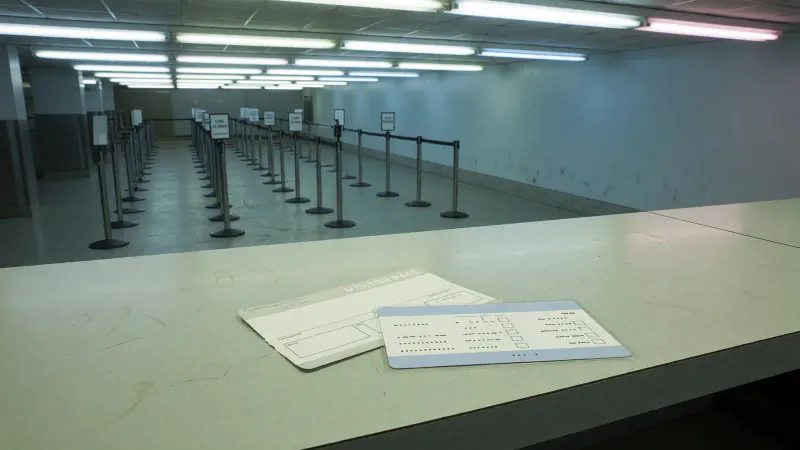
- Manual paper forms at the gate: When digital check-in software fails or passengers encounter app sync errors, gate agents must fall back on standard paper forms. Gate agents at overseas departure gates hand out printed slips that passengers must sign with an ink pen before stepping onto the jet bridge.
These procedural changes mean digital check-in no longer guarantees a direct path to the departure gate at international airports. Gate agents must verify that the electronic passenger record shows a validated attestation flag. If that electronic flag is missing, airline agents must halt the passenger during boarding, administer the paper declaration, and manually update the flight manifest.
Practical steps for connecting flights and third-party bookings
The most severe travel disruptions caused by the new rule occur on multi-leg international itineraries and tickets booked through third-party platforms.
If your itinerary starts in a regional city before connecting to a U.S.-bound flight at an international hub—for example, flying from Manchester to London Heathrow before catching a flight to Chicago, or from Osaka to Tokyo Haneda before flying to Los Angeles—the attestation applies strictly to the flight leg entering U.S. airspace. However, the airline operating your first leg must confirm eligibility before checking your luggage through to the final destination.
When booking through online travel agencies such as Expedia, Booking.com, or credit card travel portals, communication gaps frequently emerge. Third-party booking engines do not always pipe real-time regulatory notifications into customer itineraries. Many passengers arrive at airport terminals unaware that their itineraries require extra administrative clearance.
To prevent missed connections and baggage separation during transfers, follow these operational precautions:
First, log directly into the operating airline’s native website or mobile application using your six-character passenger name record (PNR). Even if you purchased your ticket through an agency or partner carrier, manage the booking directly with the carrier whose metal operates the long-haul leg across the ocean. Complete the digital attestation form on the carrier’s app as soon as the 24-hour check-in window opens.
Second, budget additional transfer time if you have an international connection. If your first flight runs slightly behind schedule and you reach your transfer gate with only 15 minutes before departure, having an unresolved attestation hold can cause the gate computer to reject your boarding pass. Preparing your documentation in advance reduces the risk of administrative boarding denials, which are handled very differently from schedule changes outlined in our guide on flight cancellations and morning bookings.
Third, store digital screenshots of your check-in confirmation and completed travel disclosures. Keeping clear visual records on your mobile device helps resolve airport counter discrepancies if an airline’s departure system experiences synchronization delays, a practice detailed in our travel document backup checklist. If a desk agent asserts that your reservation lacks required screening records, presenting your timestamped confirmation can speed up manual clearance.
What happens if a traveler visited the DRC within 21 days
For individuals who have spent time in the Democratic Republic of the Congo within the past three weeks, the federal mandate is unequivocal: you are legally barred from boarding any aircraft heading to the United States.
This restriction applies without exception to American citizens, permanent residents, diplomatic passport holders, and commercial flight personnel. The CDC order does not provide a mechanism for travelers to bypass the 21-day rule by presenting a negative diagnostic test, a physician’s clearance letter, an employer waiver, or proof of vaccination.
If you have visited the DRC within the designated window, you must adjust your travel schedule:
- Calculate the 21-day timeline: The clock starts on the calendar day after your physical departure from the DRC. You must remain in a third country until 21 complete 24-hour periods have elapsed before you may board a U.S.-bound aircraft.
- Contact your airline immediately: Do not attempt to show up at an airport terminal expecting discretion from check-in staff. Airline personnel who knowingly board an ineligible passenger face regulatory penalties and risk placing their airline in violation of federal entry orders.
- Request rebooking or a refund under DOT consumer rules: Because the boarding denial stems from a federal public health directive and not a voluntary passenger change, federal consumer rules protect your funds. Under Department of Transportation consumer protection policies, airlines must offer to rebook impacted passengers on future flights without punitive reissue penalties once the 21-day window clears, or provide a full ticket refund back to the original method of payment if travel is no longer feasible.
Travelers should also review their protections against carrier cancellations and ticketing errors. Knowing carrier obligations ahead of time helps protect your budget if an airline incorrectly flags your reservation, an issue discussed in our analysis of airline ticket cancellations and consumer protections.
A traveler checklist for clearing check-in without delays
To keep international departures moving without unexpected hold-ups while the CDC attestation order remains active through late 2026, work through this sequential checklist:
- 24 hours before departure: Open the mobile app of the airline operating your U.S.-bound flight. Initiate check-in, locate the health and safety disclosure screen, and complete the attestation prompt for every traveler on your booking reservation.
- Verify minor travelers: Ensure that every infant, child, and teenager on your itinerary has an attestation completed by an accompanying parent or legal guardian. If you are traveling as a single parent or guardian, verify that child names match booking records exactly.
- Arrive at the airport with extra cushion: Budget an extra 30 to 45 minutes beyond standard international arrival recommendations. Queues at check-in counters and baggage drops are moving more slowly as airline staff verify compliance for passengers who were unable to clear the app form.
- Carry a working pen: In the event of airport kiosk outages or system disconnections between partner airlines, gate agents will distribute physical paper disclosure slips. Carrying a pen lets you fill out the form in the gate seating area before boarding begins, avoiding bottlenecks at the jet bridge door.
- Monitor departure gate announcements: Listen closely for announcements made by gate agents 40 to 50 minutes prior to scheduled departure. Agents frequently call unverified passengers to the podium for visual document checks before general boarding begins. Clearing your boarding pass at the counter early prevents last-minute scrambles when your boarding group is called.
The CDC order establishes a clear compliance floor for all international air travel. By handling the declaration through digital check-in portals well before heading to the departure terminal, international flyers can avoid avoidable gate delays and complete their journeys without interruption.
Regulatory Notice: This guide provides factual operational information regarding U.S. federal aviation directives and Department of Transportation consumer guidance current as of November 2026. It does not constitute medical advice or formal legal counsel. For specific travel restrictions, health advisories, and carrier policies, consult the Centers for Disease Control and Prevention and your operating air carrier.


Discussion
Comments
Share a helpful tip, question, or takeaway from New CDC Travel Attestation Rules for US-Bound Flights.
0 Comments
Loading comments…