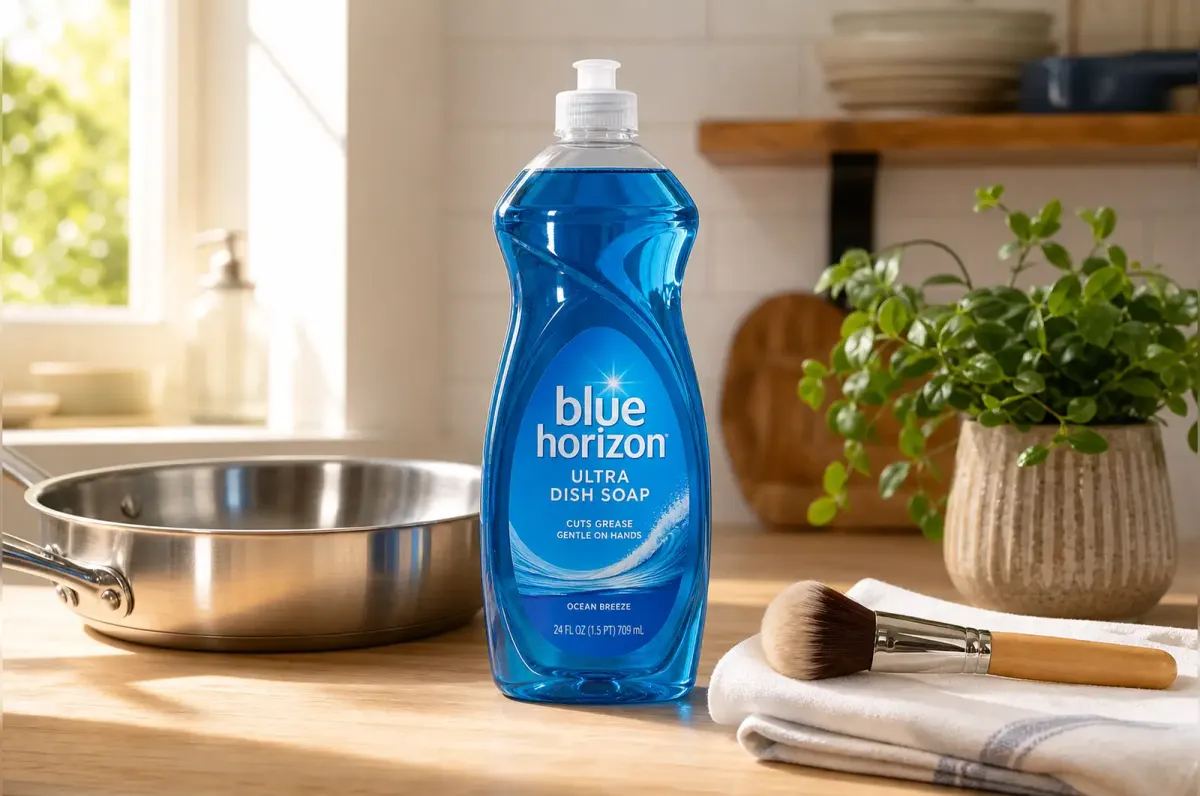
Dish soap sits under almost every kitchen sink, and most people reach for it exactly once a day — when there are dishes in the sink. But that $3 bottle can do a lot more than cut through dinner grease. Consumer Reports recently put dish soap through its paces on surfaces far beyond the kitchen sink, and the results are worth knowing — some uses genuinely save time and money, others can wreck things you care about. The lab testing backs up what sounds like Internet folklore with actual data, and some of the findings will change how you use that bottle under the sink.
The 4 places you should never, ever use dish soap
Your car’s paint. Dish soap is designed to strip grease — and it doesn’t know the difference between bacon fat and the wax protecting your car’s clear coat. A single wash with dish soap can strip away months of protective wax, leaving your paint exposed to UV damage and road salt. Car wash soap costs about the same and is pH-balanced for automotive finishes. Source
Marble countertops. Marble is porous and alkaline-sensitive. Dish soap can seep into the stone and cause etching — dull spots that look like water rings but don’t wipe away. For marble, stick with a pH-neutral stone cleaner. Even a single deep clean with dish soap can leave permanent marks on a $3,000 countertop.
Your face, hair, or your dog. This one shows up in DIY beauty blogs and it’s bad advice. Dish soap strips natural oils from skin and animal coats. The result: dry, irritated skin that takes days to recover. It’s also hard to rinse out completely — residue left behind continues irritating long after the bath is over. Use products actually formulated for skin and pet coats.
Your laundry (as a replacement for detergent). A few drops on a grease stain before washing? Fine. Pouring dish soap into the washing machine as a detergent substitute? Don’t. Laundry detergents contain enzymes and surfactants calibrated for fabric fibers. Dish soap can leave clothes stiff, fade colors faster, and in a front-loader, the excess suds can trigger error codes and mid-cycle shutdowns. Consumer Reports laundry experts recommend keeping dish soap in the kitchen.
Stainless steel: the one surface dish soap dominates
Consumer Reports tested dish soap on stainless steel appliances, sinks, and cookware, and the results surprised even the testers. Dish soap cuts through the greasy fingerprints and cooking residue that plain water and microfiber cloths just push around.
The method is simple: a few drops on a damp cloth, wipe with the grain, then buff dry with a clean microfiber cloth. The second pass is the key — skipping it leaves streaks. But done right, you get a mirror finish without buying a separate stainless steel cleaner. For anyone with stainless steel appliances that show every fingerprint, this alone justifies keeping a bottle of dish soap around. Source
Homesteading Family, a practical homesteading blog, adds that dish soap also tackles greasy stovetops and kitchen cabinets — especially the sticky buildup above the range hood that regular all-purpose cleaners struggle with. Source
Grease clogs and squeaky hinges: two household fixes that actually work
A slow-draining kitchen sink usually means grease buildup coating the inside of the pipes. Before you call a plumber or reach for chemical drain cleaner, try this: squirt a generous amount of dish soap down the drain, then follow it with a kettle of hot (not boiling) water. The soap breaks up grease deposits while the hot water flushes them through. It won’t fix a mechanical blockage, but for the kind of slow drain that develops over months of cooking, it often does the job.
The same grease-cutting property helps with squeaky door hinges. A tiny dab of dish soap on the hinge pin, worked in by opening and closing the door a few times, quiets the noise. It’s not a permanent fix — the soap eventually dries out — but it’s faster than digging WD-40 out of the garage at 11pm when a squeaky bedroom door is keeping someone awake.
Laundry stains: when dish soap earns its spot in the laundry room
Dish soap shouldn’t replace detergent, but it earns a permanent spot next to the washing machine for one reason: grease stains. Cooking oil, salad dressing, butter — these are oil-based stains that regular laundry detergent sometimes can’t fully break down, especially if the stain has set.
Here’s the method Consumer Reports recommends: apply a drop of dish soap directly to the stain, rub it in gently with your fingers or a soft brush, let it sit for 5 to 10 minutes, then wash as usual with your regular detergent. Don’t let dish soap sit on fabric for hours — it can cause color fading on dark clothes. And always check the care label first: silk and wool are too delicate for this treatment.
A related trick from the Homesteading Family blog: dish soap mixed with baking soda makes an effective scrub for removing hair dye stains from hands and fingernails. The soap breaks down the dye while the baking soda provides gentle abrasion.
Beauty tools: the olive oil trick that actually works
Makeup brushes collect oil, bacteria, and dead skin cells. Commercial brush cleaners work, but they’re expensive for what’s essentially a degreasing solution. Consumer Reports tested a DIY alternative: mix one part olive oil with two parts dish soap. Swirl the brush in the mixture, rinse thoroughly with warm water, reshape the bristles, and lay flat to dry.
The olive oil conditions the bristles while the dish soap removes makeup residue and oils. CR’s testers found this method works as well as most commercial brush cleaners, and you already have both ingredients. Just be thorough with the rinse — any soap residue left in the brush will irritate your skin next time you use it. Source
The same blog also notes that a tiny dab of dish soap buffed onto eyeglass lenses (then wiped completely off) can prevent fogging — useful for anyone who wears glasses and a mask, or steps from cold outdoors into a warm room.
The DIY shower cleaner: works, but with a catch
Mix equal parts dish soap and white vinegar in a spray bottle, and you have a homemade shower cleaner. Consumer Reports tested this formula against leading commercial shower cleaners. The result: it removed soap scum and grime, but not as thoroughly as the top-rated products. More importantly, the heavy suds meant extra rinsing — a real annoyance in a shower where you’re trying to avoid standing in puddles of soapy water.
Is it worth it? If you’re out of shower cleaner and need to clean before guests arrive, it’ll get the job done. As a daily driver, the commercial options tested by CR performed better with less hassle. The heavy suds are the dealbreaker — dish soap is designed to foam, and in a shower enclosure, that foam doesn’t wash away easily.
A few more unexpected wins
Several other uses round out the list, all tested by the Homesteading Family blog:
Windows and mirrors. A few drops of dish soap in a spray bottle of water cleans glass almost as well as dedicated window cleaner. The key is ratio — too much soap and you’ll chase streaks for 20 minutes. Start with 2 drops per 16 ounces of water. Wipe with microfiber, then buff dry immediately. Skip this on hot, sunny windows where the solution dries before you can buff.
Floors. Dish soap in a bucket of warm water handles tile and linoleum floors effectively. But there’s a safety concern worth taking seriously: dish soap leaves a slight residue that makes hard floors more slippery. If you have kids who run through the house or older adults with balance concerns, do a second pass with plain water to rinse. The extra five minutes is cheaper than a trip to urgent care.
Shower curtains and plastic liners. Toss your plastic shower curtain liner in the washing machine with a couple of bath towels (for scrubbing action) and a tablespoon of dish soap instead of detergent. The towels provide the friction; the dish soap cuts through soap scum and mildew stains. Run on gentle cycle with warm water, then hang to dry. It won’t look brand new, but it’ll look clean enough that you won’t feel embarrassed when guests use your bathroom.
Hairbrushes and combs. Soak them in warm water with a few drops of dish soap for 15 minutes. The soap breaks down the oil and product buildup that turns bristles gray. Scrub between bristles with an old toothbrush, rinse, and air dry. This takes five minutes of actual effort and makes brushes last years longer.
Toilet clogs (the low-stakes kind). For a toilet that’s draining slowly but hasn’t fully clogged, squirt a generous amount of dish soap into the bowl, let it sit 10 minutes, then pour in a bucket of hot (not boiling — boiling water can crack porcelain) water from waist height. The soap lubricates the pipes while the water pressure helps push the clog through. If the water level is high and threatening to overflow, skip this and reach for the plunger.
For outdoor uses, dish soap works as a targeted weed killer applied directly to leaves of weeds in patio cracks and driveway seams. It breaks down the plant’s waxy outer layer. But overspray kills grass and garden plants just as effectively, so apply with a small brush or dropper bottle, not a sprayer.
The bottle under your sink can do a lot more than wash plates. It can clean your stainless steel to a mirror finish, rescue a grease-stained shirt before the stain sets, unclog a slow kitchen drain without chemicals, and even get your makeup brushes cleaner than some $15 brush cleaners. It also has no business touching your car, your marble counters, or your dog.
If you found this useful, our guide to appliance maintenance that actually extends their life covers the simple tasks most people skip, and washing machine cleaning walks through the surprisingly gross stuff building up inside your machine right now.
Discussion
Comments
Share a helpful tip, question, or takeaway from Dish Soap Beyond Dishes: 12 Genius Uses and 4 Spots to Avoid.
0 Comments
Loading comments…