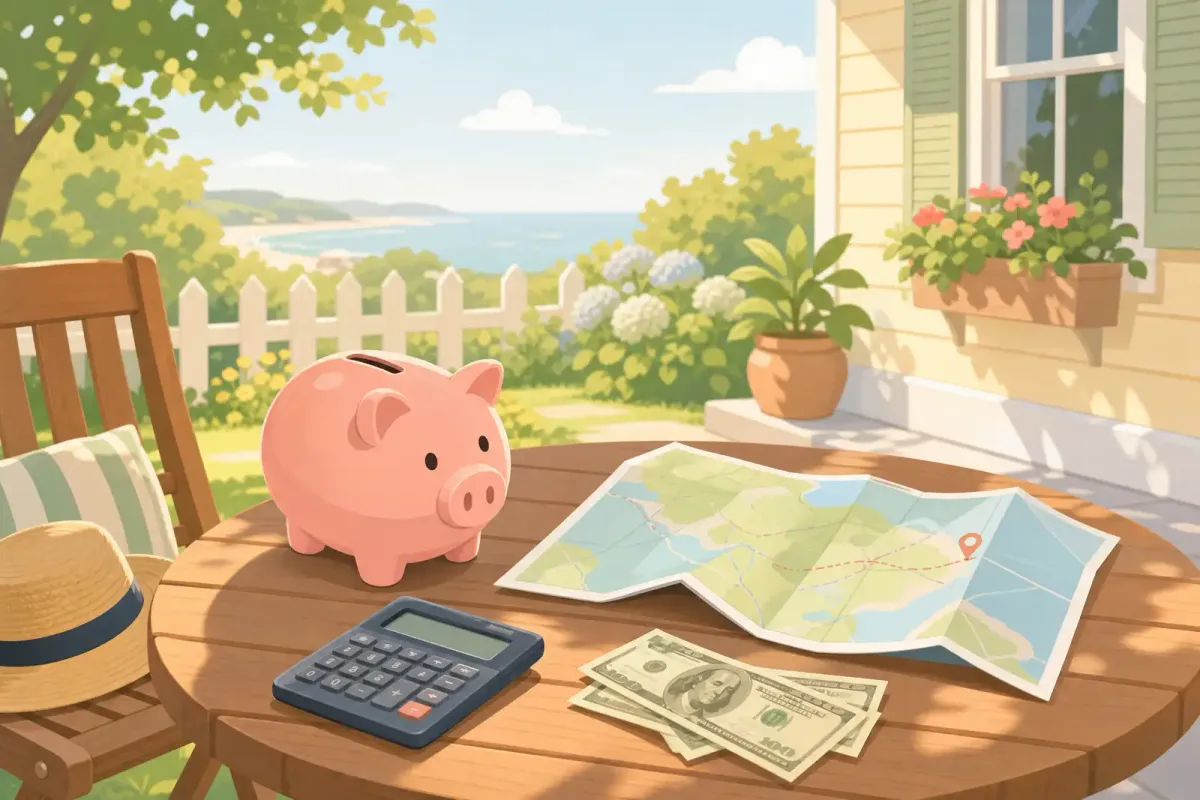
Summer has a way of quietly demolishing budgets you thought were solid. The air conditioner runs longer, friends plan spontaneous weekend trips, and suddenly you’re eating out three times a week because nobody wants to cook in the heat.
Financial experts have been warning that summer 2026 spending is tracking higher than last year — travel costs are up roughly 12 percent, and utility bills in most states have jumped into double digits because of extended heat waves (CBS News). You don’t need to hibernate indoors to stay on track, though. Here’s what actually works when the temperature climbs.
Lock in Your “Fun Money” Before the Season Starts
The envelope method gets a lot of eye rolls, but the psychology behind it holds up — especially in summer. Instead of tracking every coffee and ice cream purchase, set aside a fixed amount for discretionary summer spending at the start of each month. Once it’s gone, it’s gone.
Centier Bank recently highlighted this approach as the summer budget strategy that survives real-world conditions (Centier Bank). The trick is making the amount realistic — too low and you’ll abandon it by July; too high and it defeats the purpose. Look at your last two summers’ actual spending and split the difference.
Extend Trips You’re Already Taking
If you have a wedding, family reunion, or work conference on the calendar, tack on an extra day or two before or after. The airfare or gas is already covered, and adding a night in a mid-range hotel almost always costs less than booking a standalone vacation later.
Travel budgeting specialists recommend this “piggyback” method as one of the most reliable ways to stretch vacation time without stretching your wallet (WCTV). A two-day extension in a city you’d visit anyway saves you the biggest expense — getting there.
Attack Your AC Bill With Three Low-Effort Changes
Summer cooling costs can eat 30 to 40 percent of a typical household’s electric bill. You don’t need a new HVAC system to bring that number down. Three changes that show up on next month’s statement:
| Change | Estimated Savings | Effort |
|---|---|---|
| Raise thermostat 2°F when away | 5–10% on cooling | Set it once |
| Close blinds on south-facing windows before 10 AM | 3–7% | 30 seconds a day |
| Run ceiling fans counterclockwise on high | Makes 78°F feel like 74°F | Flip the switch |
The fan trick is the most overlooked — moving air across your skin creates a wind-chill effect that lets you keep the thermostat higher without feeling uncomfortable. Just remember: fans cool people, not rooms, so turn them off when you leave.
Time Big Household Purchases Around Sales Events
Amazon’s Prime Day 2026 early deals are already surfacing discounts of 30 to 50 percent on robot vacuums, cleaning supplies, and home organization gear (NBC News). If you’ve been meaning to replace a worn vacuum, stock up on cleaning products, or reorganize the garage, waiting for these windows saves real money.
Keep a running list of household items that need replacing throughout the year, then buy in bulk during major sale events instead of making panicked trips to the store when something breaks.
Shift Social Gatherings to Potluck Format
Summer social life is expensive — happy hour tabs, restaurant dinners, and weekend brunches add up fast. Suggest a backyard cookout or park picnic where everyone brings one item instead of meeting at a restaurant. You still get the social time without the $40-per-person restaurant markup.
This isn’t about being cheap — it’s about redirecting spending toward experiences rather than service charges. A group of four eating out on a summer Saturday easily spends $200 plus tip. The same group eating in a park spends maybe $60 on groceries and gets better weather.
Use Credit Card Rewards Before They Expire
Many cardholders sit on unused travel rewards or cash-back points that expire after 12 to 24 months of inactivity. Check your rewards balance now — if you have points nearing expiration, summer travel is the fastest way to convert them into something tangible.
The key is not earning new points during summer (that’s how people carry balances into fall) but redeeming points you already have. Even 25,000 points can cover a domestic round-trip flight if you book during off-peak dates.
Pre-Book Fall Activities Before Prices Jump
Summer pricing inflates everything from attraction tickets to hotel rates. If you know you’ll visit a theme park, museum, or resort in September or October, many places offer advance-purchase discounts of 15 to 25 percent when you book during the summer off-season for that attraction.
Some regional parks and attractions already list their fall pricing online, and buying now locks in current rates before autumn demand kicks in. Calendar a reminder for the first week of August — that’s when many venues start pushing early-bird fall pricing.
Looking for more practical money-saving strategies? Check out our guide to smart budgeting for beginners and our breakdown of frugal living hacks for 2026.


Discussion
Comments
Share a helpful tip, question, or takeaway from 7 Summer Money-Saving Hacks That Actually Stick When Temperatures Rise.
0 Comments
Loading comments…